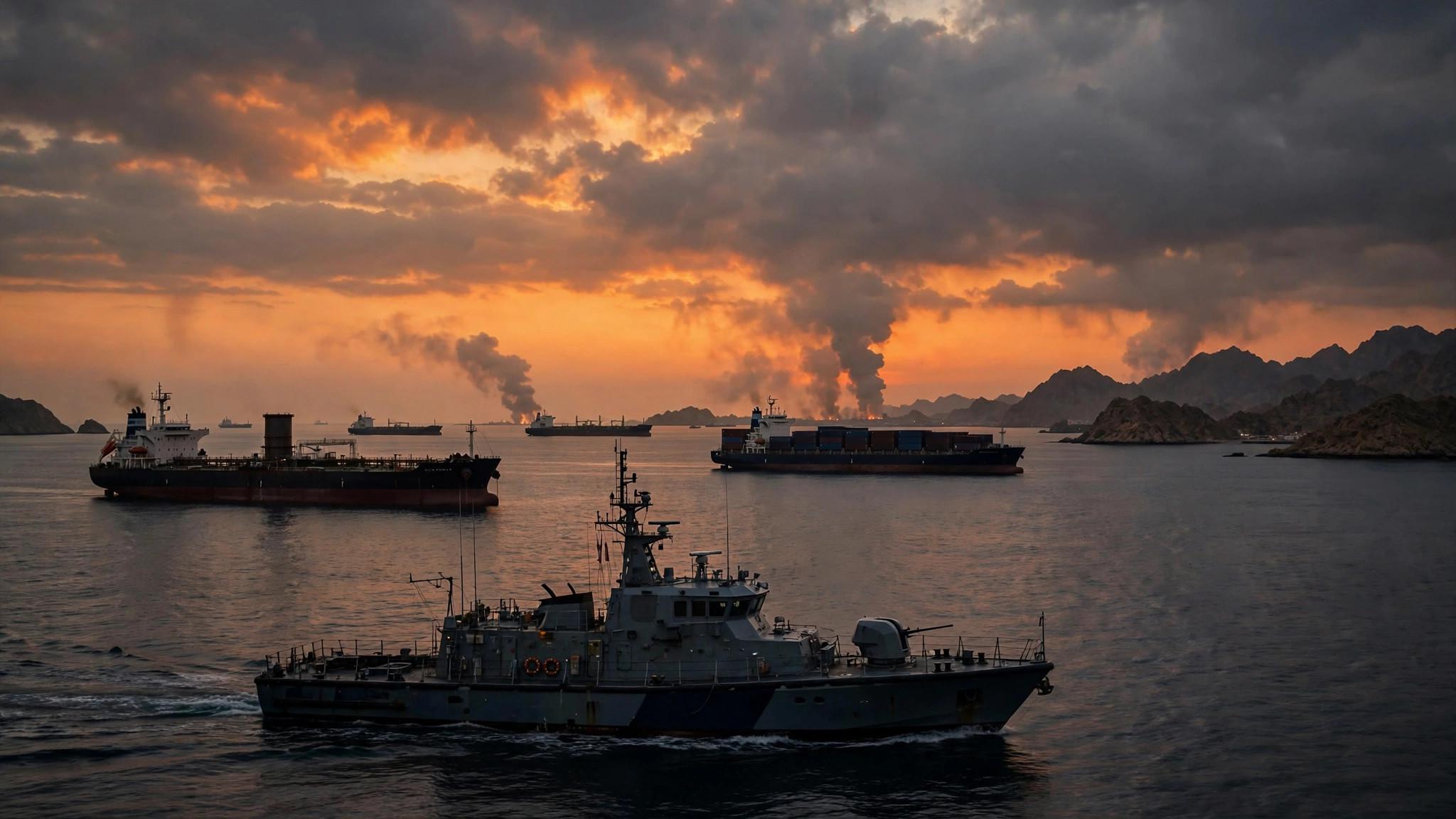

Two Italian defence technicians are dead after a drone attack on a Kuwaiti military site — and the country they worked for is pointing the finger at Iran. The strike hit a Kuwaiti air-defence surveillance site at about 2pm local time on Thursday, 26 November, killing two employees of Rheinmetall Italia who were maintaining detection antennas for the Skyguard air-defence system.
Italian Foreign Minister Antonio Tajani told the Italian Senate that the attack was carried out with drones of Iranian origin. Iran denies any role. But the deaths of two European nationals mark a dangerous widening of a conflict that has already pushed oil prices to their highest in weeks — and raised the question of how Washington will respond.
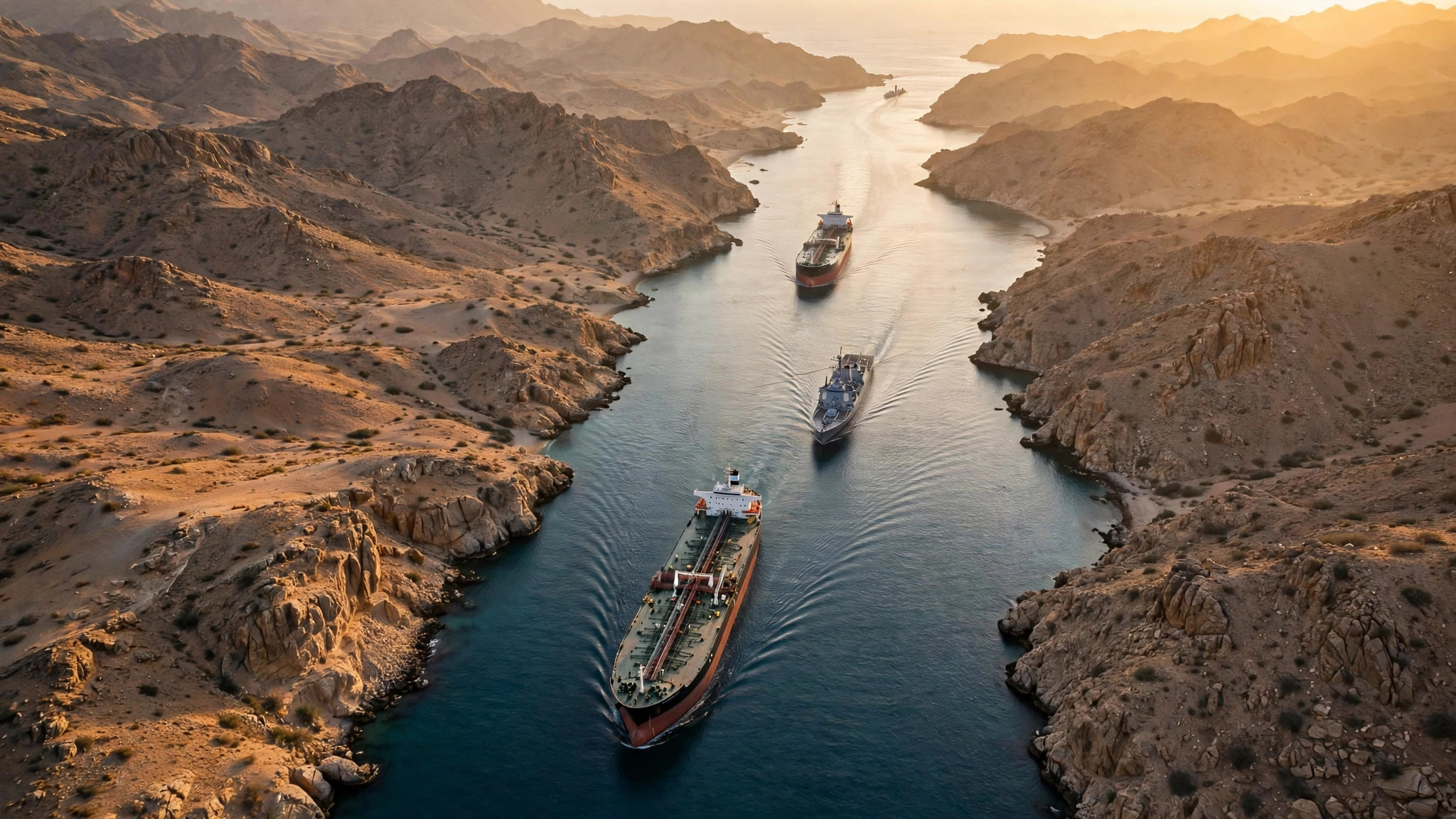
The attack came on a day of grim headlines across the region. Iran's Revolutionary Guards claimed that two tankers crossing the Strait of Hormuz without Iranian permission had struck mines north of Oman's Khasab port, exploded and caught fire. The ships were not named, and the claim could not be independently verified — but oil markets did not wait for confirmation. Brent crude, already climbing for a third day, settled up $1.96 at $96.57 a barrel on Thursday, a gain of about 8 percent over three sessions, and pushed toward $97 in Asian trading on Friday.
What Happened in Kuwait?
The target was a military air-defence surveillance site — the kind of installation designed to spot exactly the threat that hit it. The two victims were civilian technicians, not soldiers, working on the Skyguard system's detection antennas.
Italy moved quickly to frame the incident. Tajani's statement to the Senate — that the drones were of Iranian origin — was unusually direct for a government that has spent weeks urging restraint. Kuwaiti and Italian authorities have both attributed the incident to Iran, according to reports, while Tehran denies involvement.
Why Does This Attack Matter So Much?
Three things make the Kuwait strike different from the incidents that came before it. First, the victims: the deaths of two European citizens — civilian contractors from a NATO country — on the territory of a close US ally raises the political stakes sharply. Second, the target: an air-defence surveillance site is not a random piece of infrastructure. Hitting it suggests an attacker testing — or degrading — the region's ability to see the next attack coming.
What Is Happening With Oil?
For most people, the most immediate consequence of the escalation is at the fuel pump. Oil has become the conflict's real-time scoreboard: Brent's 8 percent rise over three sessions reflects a market pricing in a growing risk premium — not just the tankers reportedly hit by mines, but the possibility that the Strait of Hormuz, through which a fifth of the world's oil passes, could become harder, slower or more dangerous to use.
That fear is now feeding directly into the inflation picture. Just a day earlier, markets were digesting hot PCE inflation data showing prices rising 3.8%, with a December Federal Reserve rate hike looking near-certain. An oil shock on top of already-sticky inflation is the combination central bankers fear most — and it helps explain why gold has been sliding as rate-hike bets build.
The direct link to American wallets is simple: higher crude means higher petrol and diesel prices within days, and higher transport costs feeding into food and goods prices within weeks. With the holiday shopping season under way — Americans are set to spend a record $12.9 billion online on Black Friday alone — an energy shock is the last thing the US consumer needs.
What Is Happening Elsewhere in the Region?
In Gaza, Hamas leader Khalil Al-Hayya said on Thursday that the group would consult other Palestinian factions on how to respond to continued Israeli attacks, after Palestinian medics reported at least 10 deaths in the latest violence, including a member of Hamas's political office.
Meanwhile, the diplomatic track on Ukraine continues in parallel. President Trump said he pressed Vladimir Putin during their meeting in China to pull back all military aggression across Europe, and described a quick deal as "a strong possibility" — even as Zelenskyy warns of a new Russian mass strike and EU leaders failed to agree a €45 billion loan for Kyiv.
What Comes Next?
The immediate question is whether the Kuwait attack draws a direct response — and from whom. Italy has lost two citizens; Kuwait has had its territory struck; the United States has staked its credibility on the outcome of the Iran campaign. Any of the three could choose to answer, and the history of this conflict suggests answers tend to escalate rather than settle things.
The second question is oil. If the Hormuz incidents continue — or if a single major tanker is hit in a way that cannot be ignored — Brent could move well past $100, and the inflation consequences would follow. The third question is whether this war stays a campaign of strikes and deniable attacks, or becomes something bigger. The deaths in Kuwait suggest the deniable phase is getting harder to sustain.
Final Thoughts
Two civilian technicians went to work on an air-defence system in Kuwait and did not come home. That is the human cost behind the market moves — and it is why this attack is different. Oil at $97 is a number on a screen; two coffins arriving in Italy is a political fact governments cannot ignore. The Gulf has been sliding toward a wider war for weeks, and what happens next will depend on decisions made in Rome, Kuwait City, Tehran and Washington over the coming days.
Disclaimer: This article is for informational purposes only and does not constitute financial advice. Oil prices and financial markets are volatile and can change rapidly. Readers should do their own research or consult a licensed financial adviser before making investment decisions.