

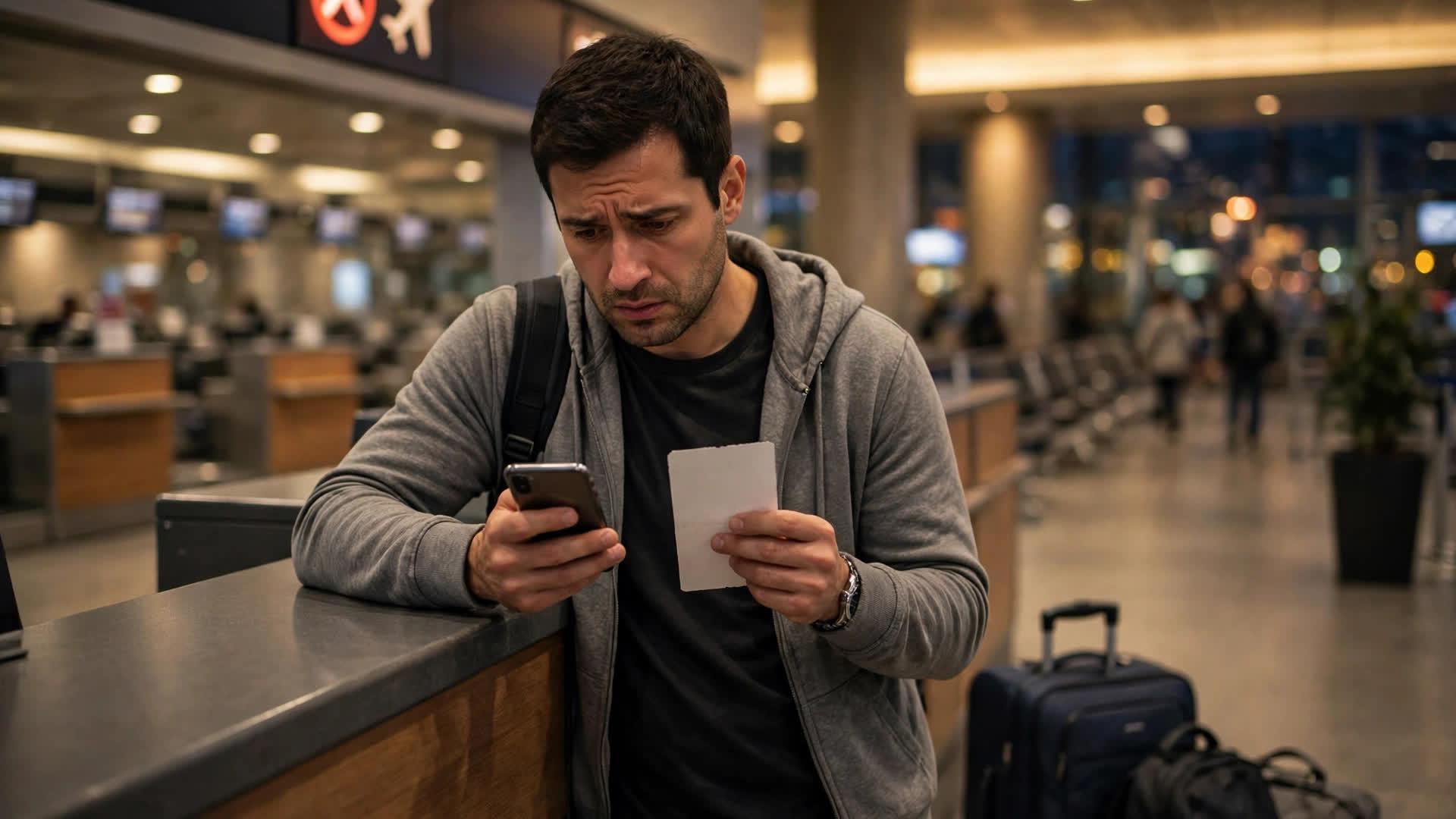
Thanksgiving is over. The turkey has been carved, the pies have been sliced, and somewhere between the second helping of stuffing and the third slice of pumpkin pie, most of us ate more than usual. If you woke up today feeling heavy, sluggish and a little regretful, you are in very good company — and your body does not need a punishing detox or a crash diet to bounce back.
The day after Thanksgiving is one of the most forgiving moments in the calendar. A few simple habits — water, sleep, light movement and balanced meals — are enough to help your digestion settle and your energy return.

This year, the reset comes with an extra wrinkle. Strong winds and storms knocked out power to nearly one million homes and businesses across the United States on Thanksgiving Day, and many families are still dealing with the aftermath — spoiled food, disrupted travel and frayed nerves. If your holiday was interrupted by the storm, be kind to yourself: a reset that starts with rest is a reset that works.
Why Do We Feel So Sluggish After Thanksgiving?
A Thanksgiving meal is a perfect storm for your digestive system. It is large, rich in fat and salt, often eaten quickly, and usually followed by hours of sitting. Heavy, salty food makes the body hold on to water, which is why so many people wake up the next morning feeling puffy and bloated. A big late meal can also disturb sleep — and alcohol with dinner only adds to the dehydration and restless night. The body is remarkably good at recovering from a single big meal; what it needs is a little help: fluids, movement, and a return to normal eating patterns.
How Can You Reset Your Digestion?
Start with water — the single most effective reset tool you have, and it costs nothing. Drink a large glass when you wake up, and keep a bottle nearby through the day. Herbal tea counts too, and warm water with lemon is gentle on an unsettled stomach.
Next, eat lightly — but do eat. Skipping meals to "make up" for yesterday usually backfires, leaving you ravenous by the afternoon and primed to overeat again. A simple breakfast of fruit, yoghurt or eggs, then a balanced lunch of vegetables and lean protein, gives your digestion something manageable to work with.
Gentle movement helps more than most people expect. A short walk after a meal stimulates digestion and eases bloating, and even twenty minutes of light activity can make a noticeable difference. You do not need a hard workout; an intense gym session on a tired, full stomach is more likely to make you feel worse.
What About Sleep and Stress?
Sleep is the most underrated part of any reset. A heavy meal eaten late can leave you tossing and turning, and the short, restless night that follows makes everything — hunger, cravings, mood, energy — harder the next day.
Keep the evening simple: a light dinner a few hours before bed, the phone put away, and your usual bedtime rather than a late night scrolling Black Friday deals. With 81.5 million Americans travelling between 24 and 30 November and return travel peaking Sunday 29 and Monday 30 November, a good night's sleep before a long journey is worth more than any travel hack.
How Long Are Thanksgiving Leftovers Safe?
Leftovers are half the joy of Thanksgiving, but they come with a deadline. Under USDA rules, cooked turkey and other leftovers are safe in the fridge for three to four days — so Thursday's leftovers should be eaten or frozen by Sunday. Reheat thoroughly, to 165°F, before serving.
If your home was among the nearly one million that lost power on Thanksgiving Day, take extra care. Food in a fridge without power for more than four hours may no longer be safe, and when in doubt, throw it out. The USDA leftover rules that keep your family safe explain the full picture, and the Thanksgiving food safety guide covers how to handle the rest of the meal too.
How Do You Get Back on Track Without Overdoing It?
The biggest mistake people make after Thanksgiving is swinging from one extreme to the other — from a feast straight into a fast, a juice cleanse or a punishing workout plan. Extreme resets rarely last beyond the weekend, and they can leave you tired, hungry and more likely to overeat again. A better approach is boring, and it works:
Drink water first — a glass before every meal, and a bottle nearby.
Eat normally — regular, balanced meals with plenty of vegetables, rather than skipping food to compensate.
Move gently — a daily walk, some stretching, and normal activity before any intense exercise.
Sleep properly — a full night tonight, and a regular bedtime through the weekend.
Plan the week — a few simple meals lined up so leftovers don't become three more days of feasting.
Final Thoughts
Thanksgiving is one meal — a big one, but still just one meal. Your body knows how to recover from it, and it does not need a cleanse, a fast or a guilt trip to do so. Water, sleep, gentle movement and a return to balanced eating will have you feeling like yourself again within a day or two.
Be kind to yourself this weekend: enjoy the parade on Saturday, eat the leftovers while they are still safe, and let the reset be gentle.
Disclaimer: This article is for informational purposes only and is not a substitute for professional medical advice, diagnosis or treatment. If you have a medical condition, dietary restrictions or concerns about your health, consult a qualified healthcare professional before making changes to your diet or exercise routine.