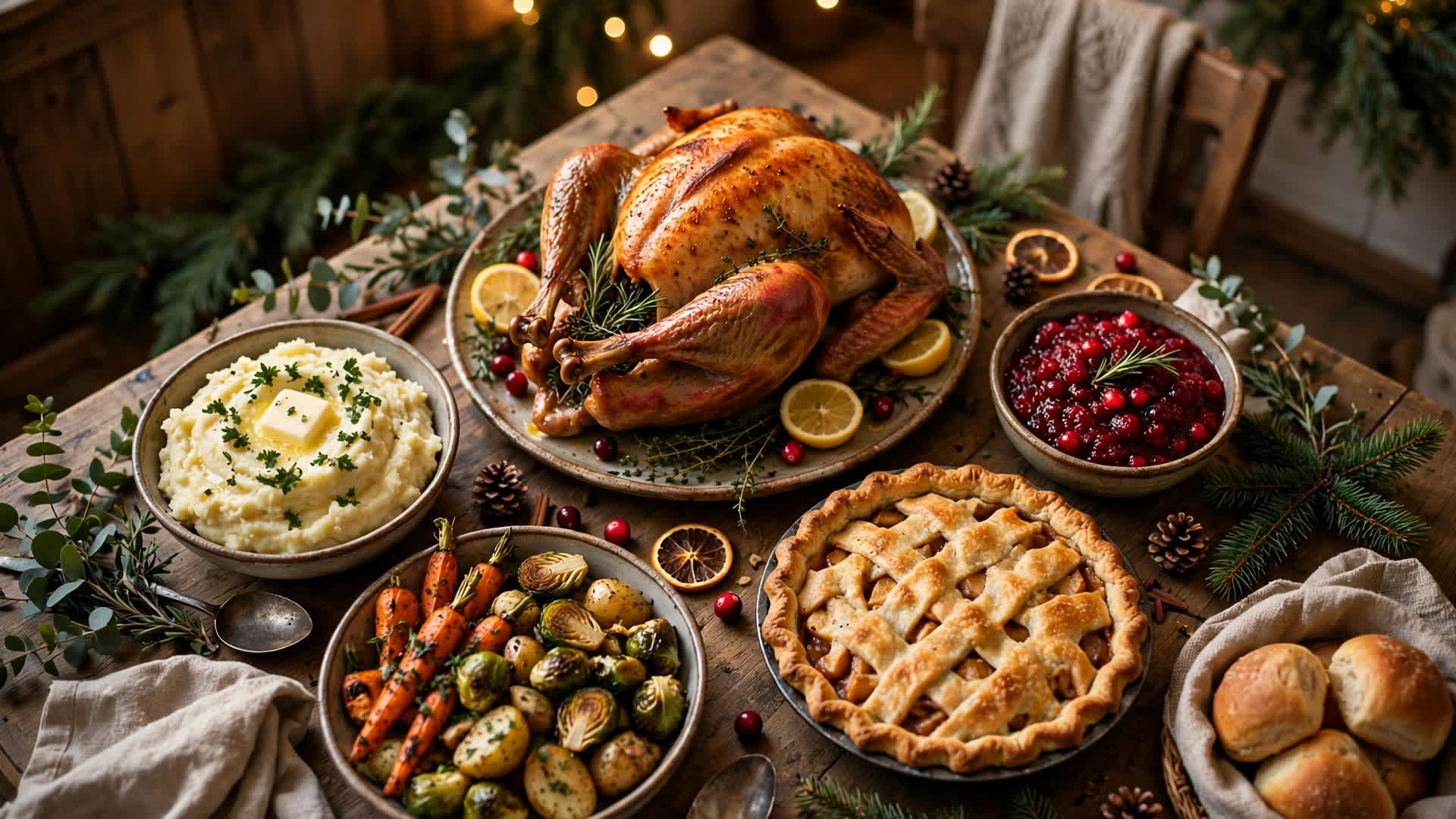

Christmas dinner is the most joyful meal of the year — and, for the host, often the most expensive. Between the turkey, the sides, the drinks and the desserts, feeding a full house can strain any budget. This year the pressure is real: the National Retail Federation expects November and December retail sales to rise 4.2% to $1.013 trillion, the first time holiday spending has ever crossed the trillion-dollar mark.
The good news is that a memorable Christmas table is about planning, not spending. With a smart menu, a little delegation and a few well-timed shopping trips, you can feed a crowd generously and start January without a financial hangover.
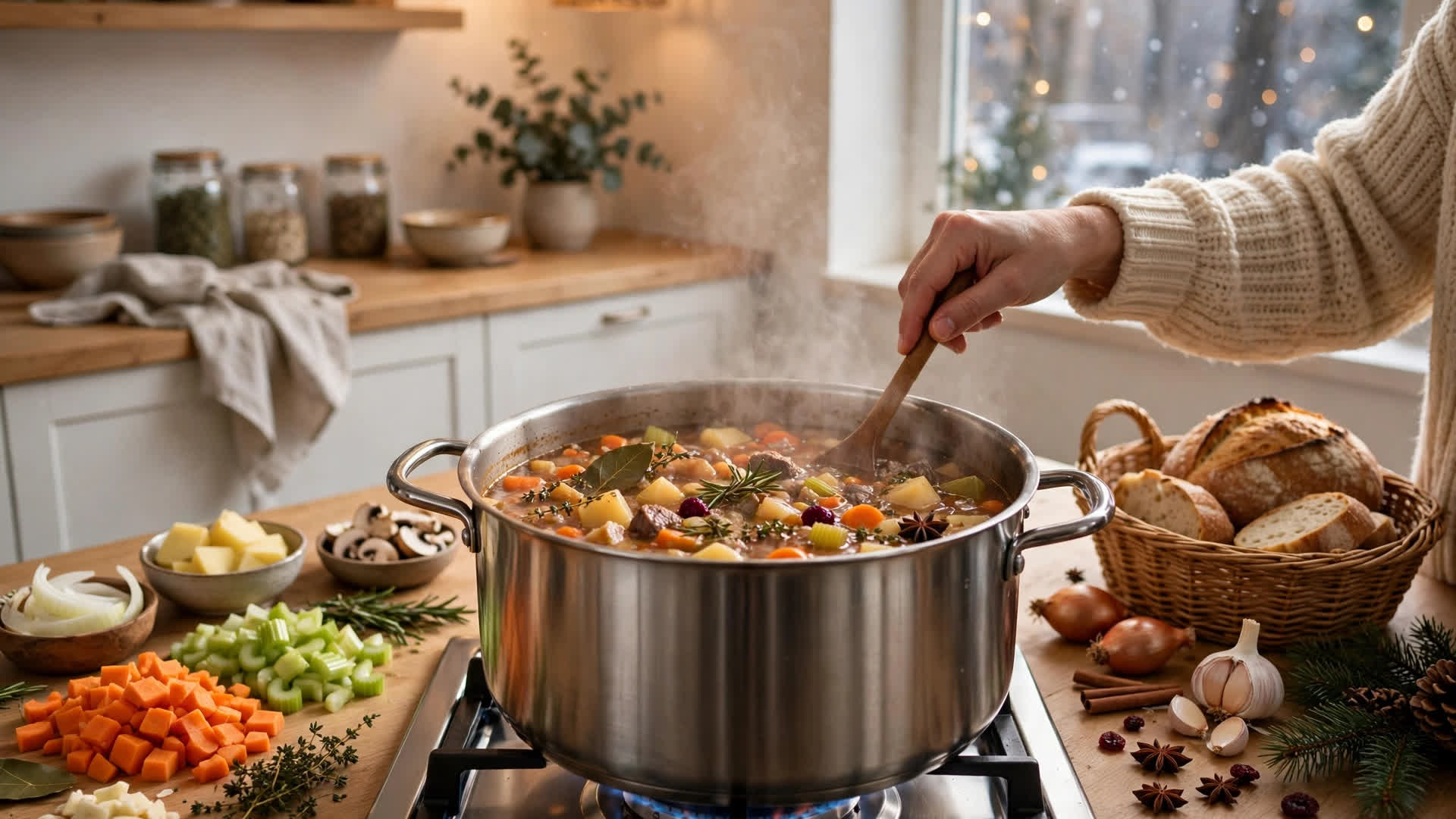
The first rule of budget hosting is that the menu is the budget: everything else flows from what you decide to cook. A sprawling menu with five mains and a dozen sides will cost a fortune no matter how carefully you shop. A focused menu — one showpiece dish and a handful of crowd-pleasing sides — can feed twenty people for a fraction of the price.
How Do You Plan a Christmas Menu That Feeds a Crowd Cheaply?
Start with one hero dish. A whole turkey or a large ham is the most economical way to feed a crowd, because the cost per serving drops sharply as the bird gets bigger. A slow-cooked pot roast or a big tray of baked pasta does the same job for a smaller gathering, and both stretch further than individual portions of steak or salmon.
Then fill the table with sides that are cheap, filling and festive. Mashed potatoes, roasted root vegetables, stuffing made from day-old bread, glazed carrots and a big green salad cost very little per serving and look generous on the table. Sides are where a table looks abundant.
Finally, keep dessert simple: one showstopper — a trifle, a Christmas pudding or a homemade pie — beats a dessert buffet. If guests offer to bring something, let them bring dessert.
What Are the Smartest Ways to Cut Your Grocery Bill Before Christmas?
Timing your shopping is worth real money. Supermarkets run their deepest discounts on seasonal staples before Christmas, and the Black Friday sales are not just for electronics — grocery chains compete hard too, with deals on turkeys, hams, baking supplies and festive drinks. Stock up on non-perishables early, when they are on offer, instead of panic-shopping at full price.
A few habits make the biggest difference:
Shop with a list and a headcount — buy for the people actually coming, plus one or two extra servings.
Buy store brands for the basics — flour, sugar, butter, stock and canned goods taste the same in a finished dish and cost noticeably less.
Cook from scratch where it counts — homemade stuffing, gravy and cranberry sauce beat the packaged versions.
Freeze what you can — bread, butter and even some desserts can be bought early and frozen, so you are not paying peak prices in Christmas week.
Check what you already have — half-used bags of flour, spices and frozen vegetables are money sitting in your cupboards.
With Americans set to spend a record $12.9 billion online this Black Friday, retailers are competing hard for holiday shoppers — compare prices across two or three stores instead of buying everything in one place.
Should You Ask Guests to Bring a Dish?
Yes — and you should stop feeling guilty about it. A potluck-style Christmas is a sign of a smart host, not a cheap one. The key is to coordinate so you do not end up with six desserts and no vegetables.
Assign dishes rather than leaving it open-ended: one guest brings a salad, another a side, another drinks, someone else dessert. Be specific about quantities — "a salad for ten" beats "bring a salad" — and keep a list on your phone of what is covered.
Drinks deserve the same treatment: a bottle each from guests costs you nothing. If you provide them yourself, buy in bulk and offer one signature festive drink — mulled wine or spiced punch — instead of a fully stocked bar.
How Do You Make a Budget Table Look Expensive?
Presentation costs almost nothing and changes everything: a tablecloth, greenery from the garden, a few candles and a bowl of oranges or pinecones can make a simple meal feel like a celebration. Neatly folded napkins, handwritten name cards and a Christmas playlist do more for the atmosphere than an extra course.
Cook in bulk and serve family-style: big dishes passed around the table feel generous and hide a short menu. Serve in waves — starters first, then the main event — so the meal feels long and luxurious even when the ingredients are humble.
Plan for leftovers too: save the turkey carcass for stock, slice leftover ham for sandwiches and pack extra portions for guests to take home. The USDA rules for keeping Thanksgiving leftovers safe apply just as much at Christmas — refrigerate within two hours and eat refrigerated leftovers within three to four days.
Final Thoughts
Hosting Christmas on a budget is not about cutting corners. It is about spending where it matters — one great main dish, generous sides, a warm table — and saving where nobody will notice. With holiday spending set to top $1 trillion this year, the pressure to overspend is everywhere — but the best Christmas dinners are the ones where the host is relaxed, the table is full and nobody is thinking about the bill.
Plan the menu, share the load and shop the sales. Your guests will remember the evening, not the receipt.
Disclaimer: This article is for informational purposes only and does not constitute financial advice. Prices and offers vary by store and location, so readers should compare local prices before making purchasing decisions.