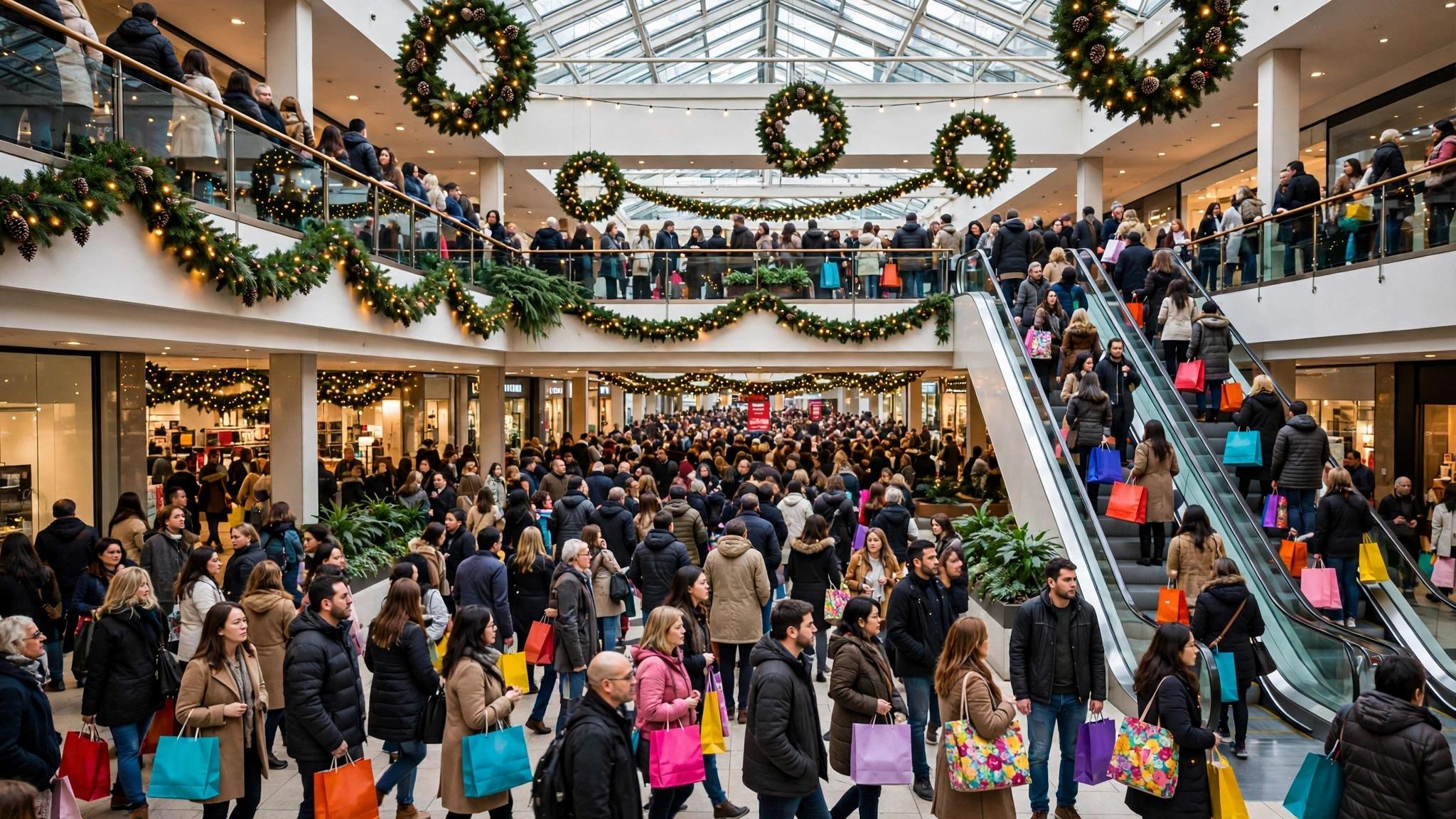
Black Friday 2026 is shaping up to be the biggest online shopping day in American history. Adobe forecasts that shoppers will spend $12.9 billion online on Friday alone, up 9.2% on last year — a record for a single day of e-commerce. The surge is the centrepiece of a holiday season expected to reach $275.1 billion in online spending, up 6.7% year on year.
How Big Is Black Friday 2026?
Adobe's forecast puts the scale in perspective. Black Friday's $12.9 billion sits inside an even bigger Cyber Week: $47.5 billion in online spending over the five days from Thanksgiving to Cyber Monday, up 7.4% on last year. Cyber Monday itself is expected to reach $15.1 billion, up 6.2%, while Thanksgiving Day — once a quiet day for retail — is forecast at $6.9 billion, up 8.5%.
The forecasts from other analysts are just as strong. Bain expects more than $85 billion in retail sales across the Black Friday to Cyber Monday stretch, up 8.75%. The message from every forecaster is the same: this is not a cautious consumer. It is a consumer who has learned to shop the sales calendar with precision.
Why Are Shoppers Spending More Online?
Three forces are driving the record. The first is discounts. Retailers are cutting prices more deeply than last year, with electronics and computers discounted by around 30% and 23% respectively on Cyber Monday, and TVs, toys, clothing and appliances seeing their deepest cuts — roughly 23%, 29%, 23% and 18% — on Black Friday itself. The best deals are good: 53% off a 75-inch TCL Mini-LED television, $600 off a 48-inch LG B6 OLED at $599, and AirPods Pro 3 down to $179, a 28% saving.
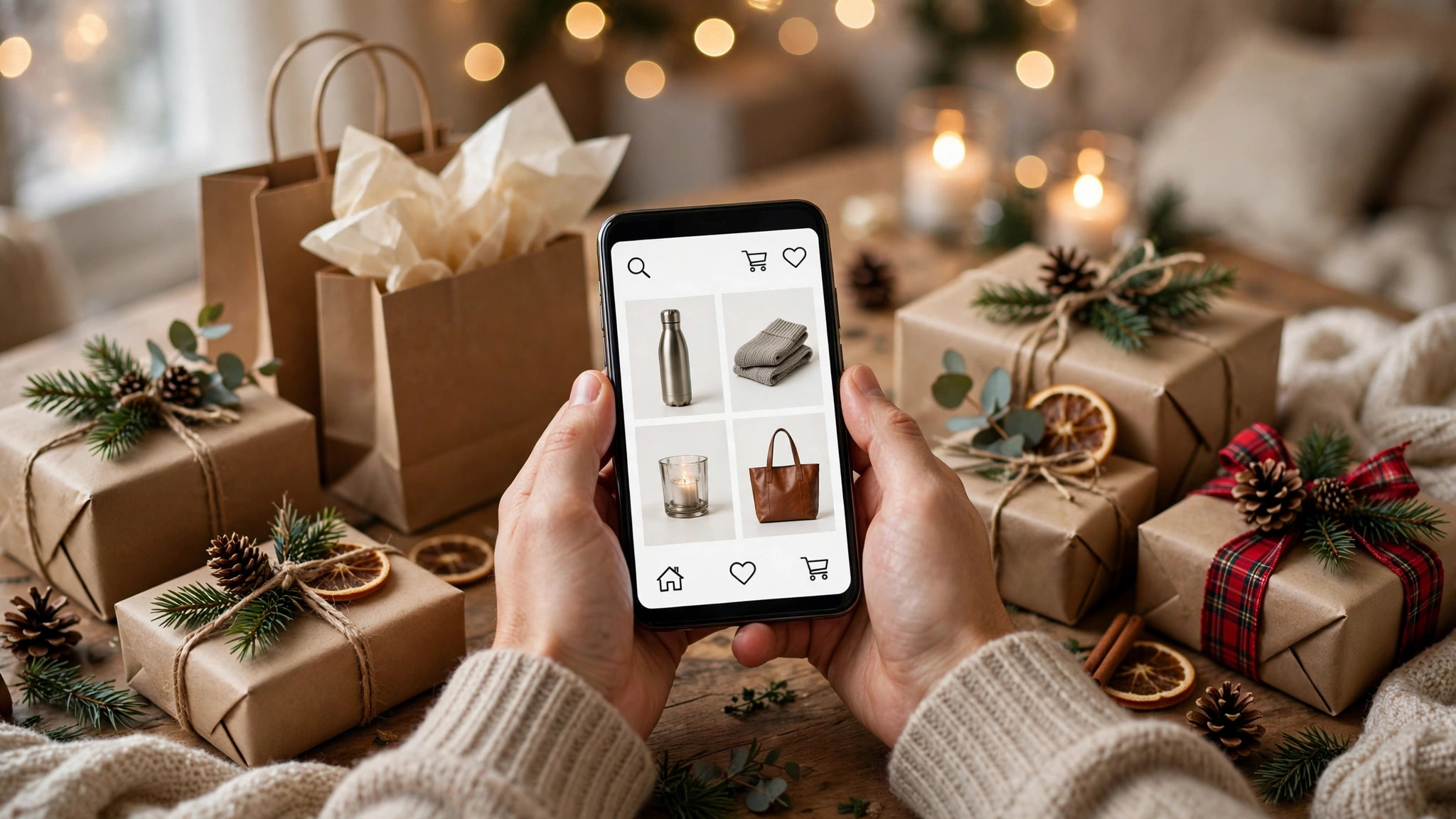
The second force is the phone. Mobile now accounts for 63% of online spending, as shoppers buy from the sofa, the dinner table and the queue outside the store. Retailers have responded with app-only deals and faster checkout, and the phone has become the main battleground of Black Friday.
The third force is buy now, pay later. Adobe expects $21.3 billion in buy now, pay later spending across November and December, as shoppers spread the cost of big purchases over instalments rather than putting them on credit cards.
What Are the Best Days to Buy?
Timing matters more than ever, because the deepest discounts are not all on the same day. Electronics and computers are cheapest on Cyber Monday, with discounts of around 30% and 23%. Televisions, toys, clothing and appliances peak on Black Friday. Shoppers who want the best price on a television should buy on Friday; those after a laptop or a games console may do better waiting until Monday.
Make a list before you shop — decide what you actually need and set a price you are willing to pay.
Compare the same product across retailers — the same television can vary by hundreds of dollars between stores.
Check the price history — a "50% off" label means little if the price was raised last week.
Know the return policy — some Black Friday deals come with shorter return windows.
How Can Shoppers Stay Safe From Scams?
Record spending brings record fraud. Fake deals, phishing texts and lookalike websites multiply every Black Friday, and the busiest shopping days of the year are the busiest days for scammers too. Our guide to Black Friday scams explains the fake deals, phishing texts and lookalike websites to watch out for before you shop — and the warning signs are worth knowing before you hand over any card details.
The basics still matter most: shop on the retailer's real website or app, never through a link in a text message; be suspicious of prices that look too good to be true, because they usually are; and pay by credit card where possible, since it gives you stronger protection if something goes wrong.
What Else Is on Sale This Black Friday?
The deals go well beyond electronics. Travel is one of the biggest Black Friday categories this year, with Black Friday hotel deals including Fairmont at 30% off, Hyatt at 25% off and Hilton at 20% off, and flights to Europe from $399 in some of the early offers. Shoppers who missed the first wave of deals can still find plenty: the biggest discounts live now at Amazon, Target and Walmart include televisions, headphones, kitchen appliances and toys, with new offers appearing through the weekend.
Clothing and beauty are also heavily discounted, with many brands offering 30% or more off sitewide.
What Does the Record Spending Mean for the Economy?
Economists watch Black Friday closely because it is the first real read on how confident American consumers feel heading into the new year. Strong spending suggests households still have money to spend and are willing to spend it — good news for retailers and for growth. The risk is that some of the spending is being pulled forward by buy now, pay later, and that the bills arriving in January will bite.
For now, though, the picture is one of resilience. A $275.1 billion holiday season, a record Black Friday and a record Cyber Monday all point to a consumer who is adapting to higher prices by shopping smarter, not by stopping.
Final Thoughts
Black Friday 2026 is on track to be the biggest online shopping day ever, with $12.9 billion forecast for Friday and $275.1 billion for the season. The deals are real and the discounts deep, and the phone in your pocket is now the main way America shops. The smart move: make a list, compare prices, wait for Monday for electronics, and stay alert for the scams that follow the money.
Disclaimer: This article is for informational purposes only. Prices and discounts are forecasts and advertised offers and may change; verify prices and terms with the retailer before purchasing.