HP gave investors a Thanksgiving surprise on Wednesday: a fourth-quarter earnings beat big enough to send the stock up 11.5% to about $30.90, making it the best performer in the S&P 500 for the day. Revenue rose 9.3% to $16.0 billion, comfortably ahead of the $15.43 billion analysts expected, and adjusted earnings of $0.83 a share beat the $0.75 consensus.
But the celebration deserves a closer look. Buried inside that earnings beat was a $0.15-per-share tariff refund — a one-off windfall that did much of the heavy lifting. And the core business is still shrinking: PC shipments plunged 29% in the quarter.
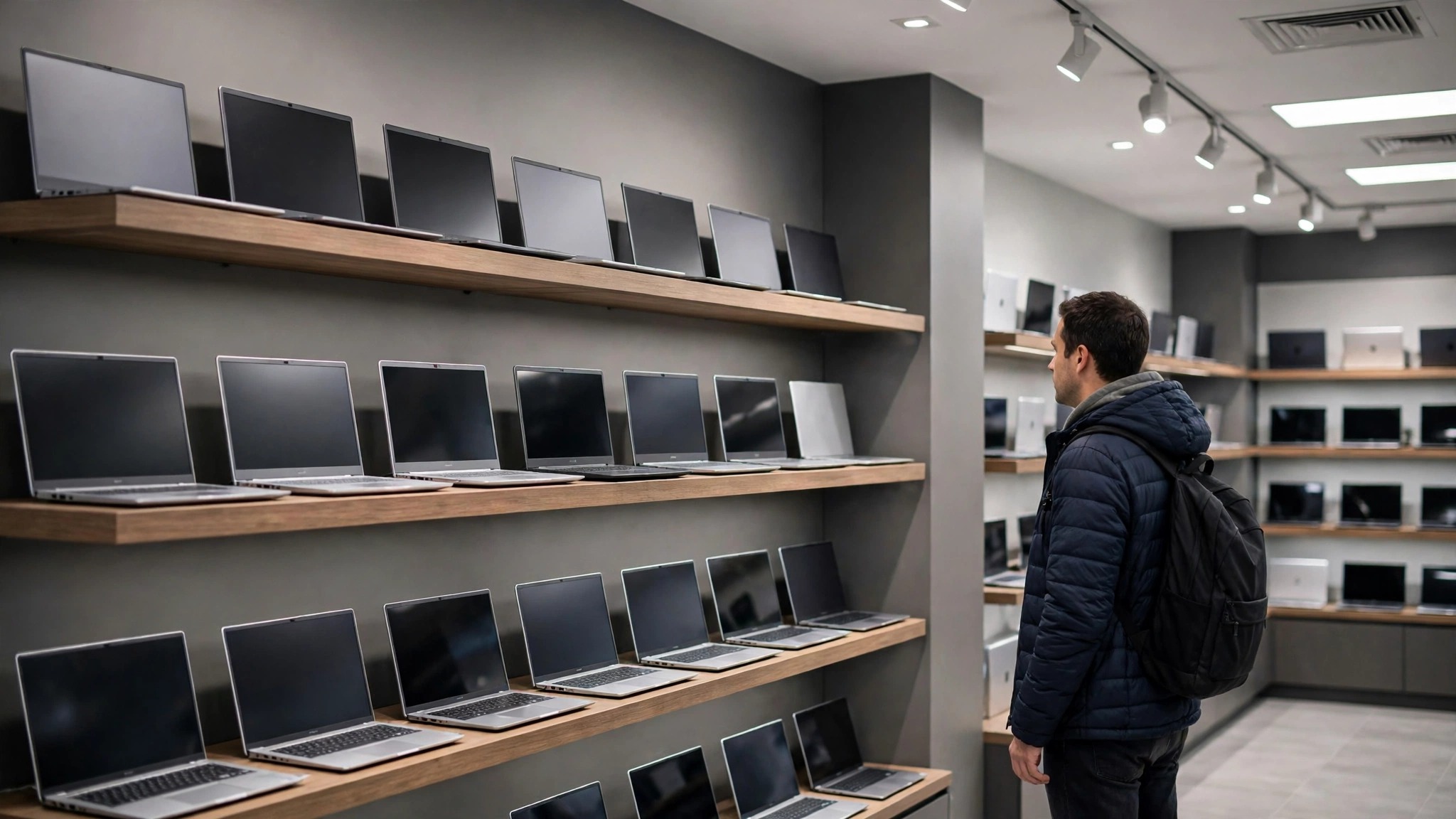
What Did HP Actually Report?
Revenue of $16.0 billion grew 9.3% from a year earlier and beat expectations by more than half a billion dollars. Personal Systems revenue grew 13.5% to $11.75 billion, helped by higher prices and a richer mix of machines.
The profit picture was more mixed. Adjusted earnings of $0.83 a share beat the $0.75 estimate, but were down 10.8% from a year ago. Strip out the $0.15 tariff refund and the underlying result was closer to $0.68 — a miss, not a beat. That distinction matters because tariff refunds are not repeatable: they are money coming back from the government, not money earned from selling more computers.
Why Did PC Shipments Fall 29%?
Overall PC shipments fell 29%, with commercial shipments down 28% and consumer shipments down 31%. It suggests customers are delaying purchases rather than upgrading.
Businesses bought heavily during the pandemic-era refresh cycle and are now stretching replacement timelines, while consumers squeezed by higher prices are holding on to laptops for longer. HP's own pricing strategy — raising prices to protect margins — may also be costing it volume. The one bright spot: AI-capable PCs now account for roughly 60% of shipments, showing that the industry's big bet on artificial intelligence hardware is reaching real buyers.
What Is HP Promising for Next Year?
Guidance was the other reason the stock jumped. For fiscal 2027, HP expects adjusted earnings of $3.15 to $3.45 a share, with the $3.30 midpoint ahead of the $3.18 consensus.
Not everything in the outlook was reassuring. Free cash flow guidance of $2.9 billion to $3.1 billion came in below the $3.3 billion analysts expected, and the first-quarter guide of $0.66 to $0.76 a share was cautious, reflecting the weak shipment trend carrying into the new year.
Who Is Running HP Now?
The results land just weeks before a changing of the guard: Emma Walmsley takes over as chief executive on 4 January 2027, at a moment when HP must decide whether it is a PC company managing decline or a broader technology business built around AI devices, services and printing.
Walmsley inherits a mixed hand. The brand remains strong, and the AI PC transition gives HP a genuine growth story to sell. But the shipment collapse shows how fragile the core business has become, and the tariff refund that flattered this quarter's result will not be there next quarter. Her first earnings calls will be watched closely for a strategy that goes beyond cost cuts and price rises.
How Does HP Compare With Dell?
The contrast with HP's great rival could hardly be sharper. Dell fell 5% on Wednesday on its own earnings print, punished by investors for the same AI-server margin squeeze that has haunted the whole hardware sector. Dell's revenue surged, but its profits disappointed — the mirror image of HP's day.
The two results together say something important about the hardware market in late 2026: investors are rewarding companies that can protect margins and guide higher, and punishing those that chase revenue at any cost. HP's beat, flattered or not, cleared that bar. Dell's did not.
What Do Analysts Think of HP Stock?
Wall Street remains sceptical despite the rally. Goldman Sachs rates the stock a Sell with a $21 price target — well below Wednesday's closing price — while Citi holds a Hold rating with a $25 target. Both suggest analysts covering HP closely believe the stock has run ahead of the fundamentals, and that the tariff refund and the shipment decline will matter more over time than one quarter's beat.
What Should Investors Watch Next?
Three things will decide whether Wednesday's rally lasts:
PC shipments in the first quarter — another 29% decline would confirm the business is shrinking, not stabilising.
The tariff picture — whether more refunds arrive, or whether new tariffs raise HP's costs instead.
Emma Walmsley's first moves — her strategy update after taking over on 4 January will set the tone for 2027.
The Dow reclaimed 50,000 this week even as the Nasdaq fell, and old-economy names like HP are benefiting from the rotation. But rotations can reverse, and HP needs its own story to hold up. Investors will also be watching the AI IPO market, where Anthropic's stock has already slipped below its listing price, as a reminder that AI enthusiasm alone does not guarantee returns.
Final Thoughts
HP's 11.5% jump was the S&P 500's standout move on Wednesday, and the revenue beat and raised guidance were genuinely encouraging. But the fine print matters: a $0.15 tariff refund turned a miss into a beat, PC shipments fell by nearly a third, and free cash flow guidance disappointed. The stock's rally says investors believe the worst is over. The numbers say the jury is still out — and Emma Walmsley's first quarter in charge will deliver the verdict.
Disclaimer: This article is for informational purposes only and does not constitute financial advice. Stock market investing involves risk, including the possible loss of principal. Past performance is not a guarantee of future results. Do your own research or consult a licensed financial adviser before investing.