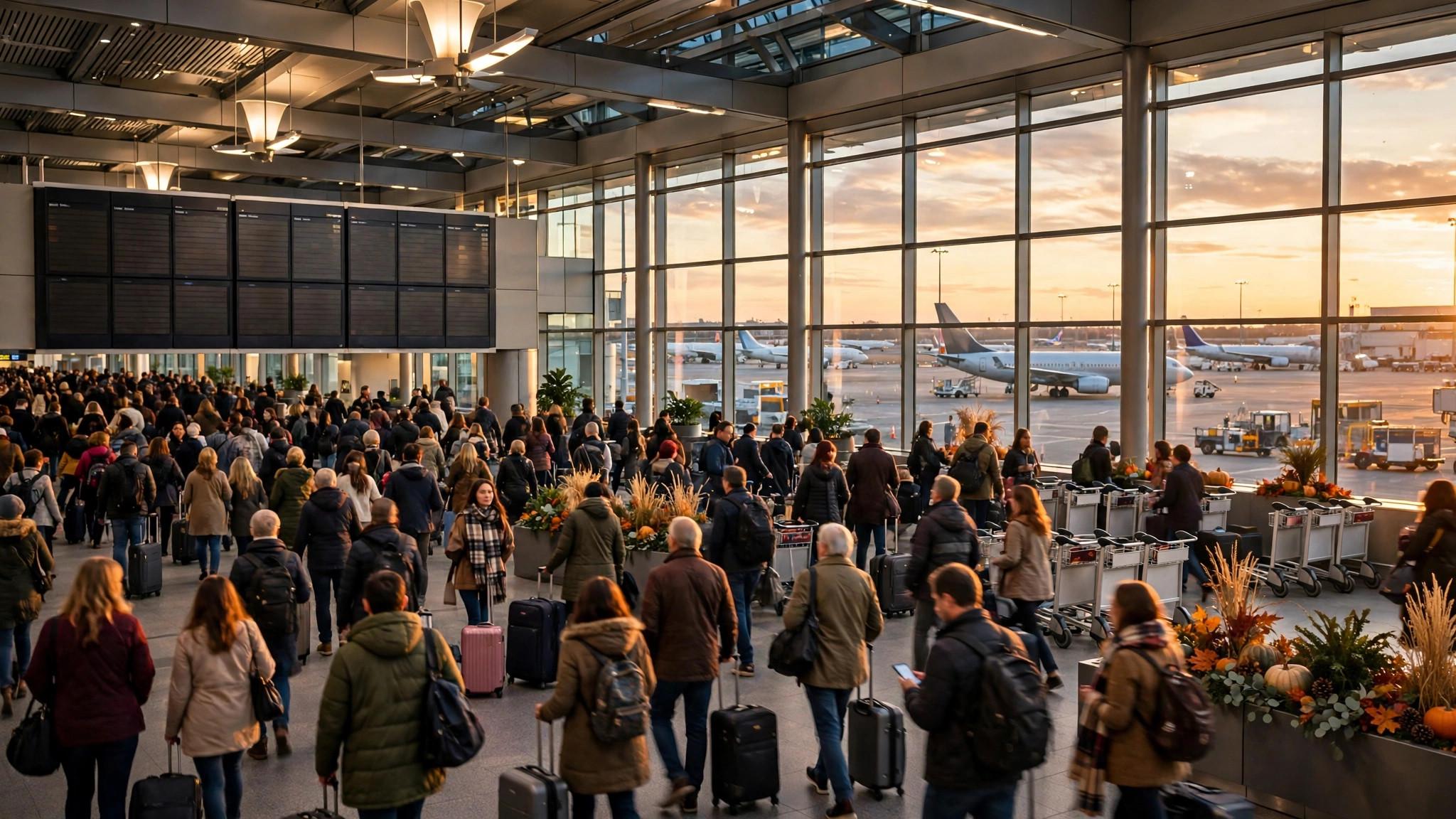
Thanksgiving is over, the leftovers are packed away, and now comes the part nobody looks forward to: getting home. AAA forecast 81.5 million Americans travelling between 24 and 30 November — one of the biggest holiday travel periods on record — and the result is predictable: packed airports, long security lines, crowded highways and very little patience left.
The journey home does not have to be miserable — it comes down to when you travel. Pick the right day and hour and you can sail through; pick the wrong one and you will queue around the terminal.
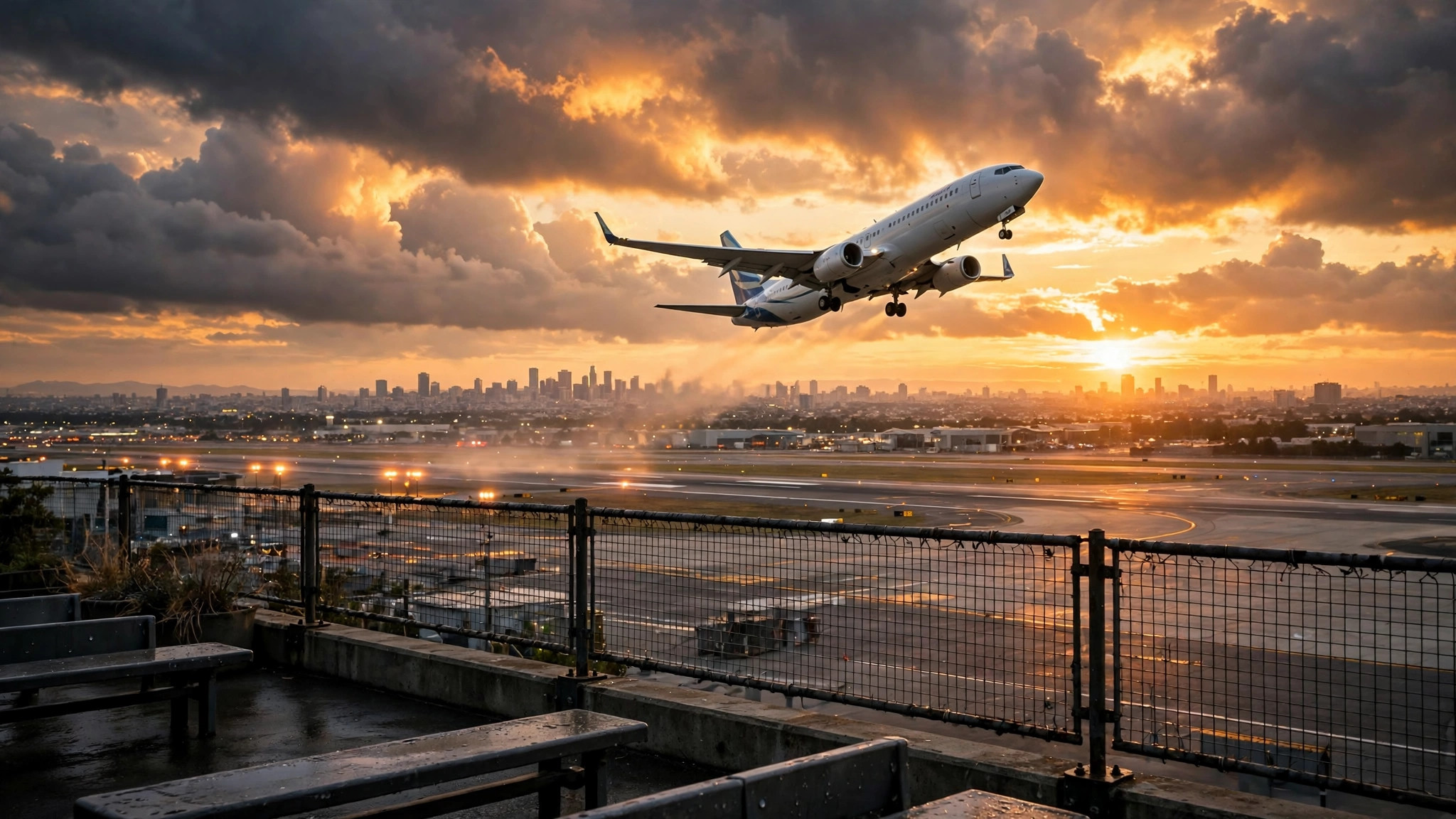
The return rush peaks on Sunday 29 November and Monday 30 November, when most people head back for work and school. Sunday afternoon and evening are the single busiest travel window of the holiday, with Monday morning close behind: expect long check-in lines, crowded gates and very few empty seats.
When Is the Worst Time to Travel Home After Thanksgiving?
Sunday is the day to avoid if you can: millions choose it as the last full day before the working week, making it the most congested travel day of the year. Sunday afternoon and evening flights are the most likely to be full and delayed — and the hardest to recover from if something goes wrong, because there are no spare seats to rebook you onto.
Monday morning is the second-worst window, as business travellers mix with holiday returnees and the first flights fill up fast. If you must travel on Monday, aim for midday or late evening — by Monday evening the worst of the peak has usually passed.
The quietest option is Saturday or Tuesday. Saturday is surprisingly calm because most people are still enjoying the long weekend; Tuesday is quieter still — the rush is over, fares drop and the airports breathe again. Shifting your return by even one day can turn a stressful journey into a pleasant one.
How Bad Was the Thanksgiving Storm?
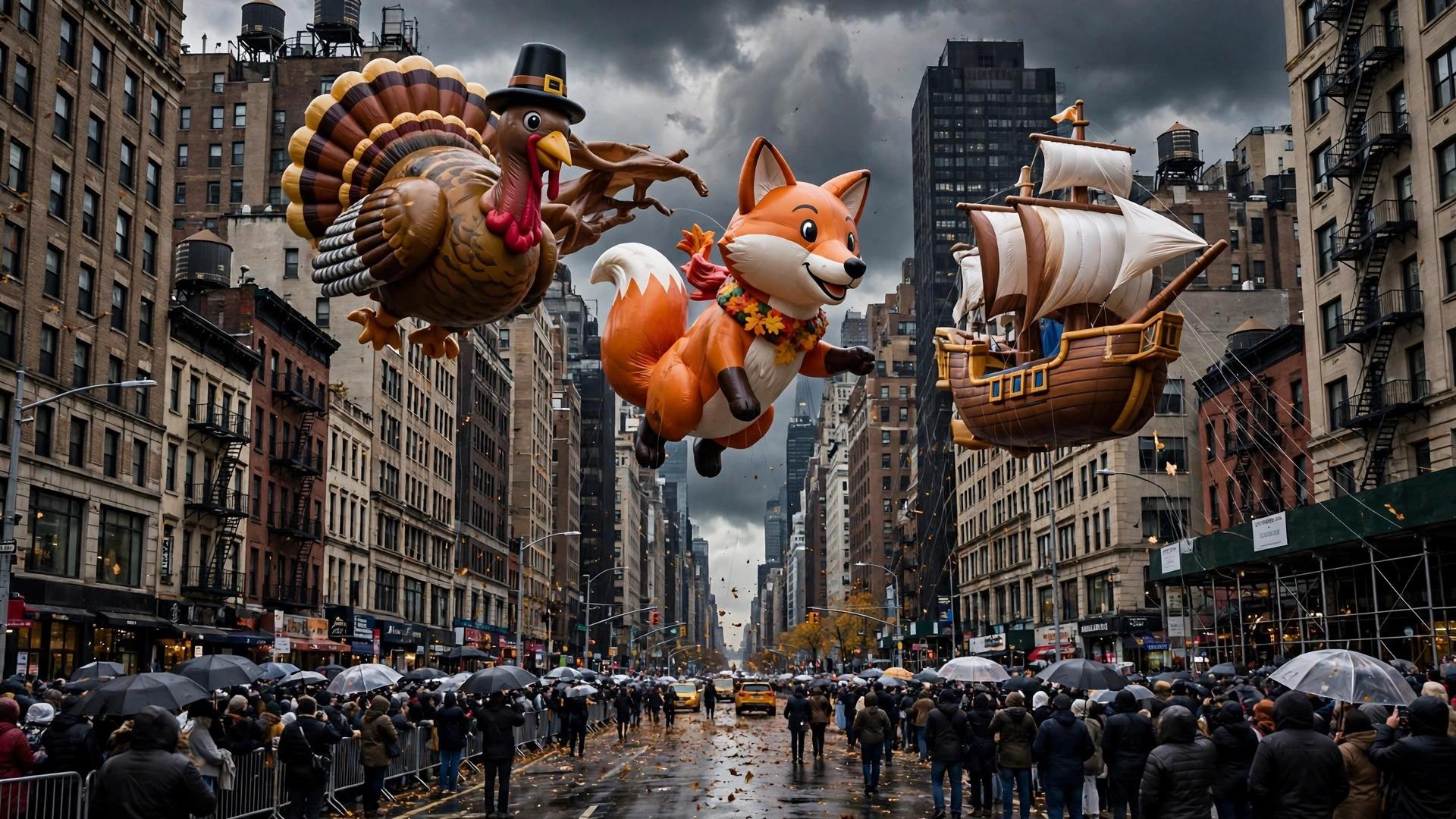
This year's holiday travel was complicated by a powerful nor'easter that slammed the East Coast just as the holiday began. Strong winds left nearly one million homes and businesses without power on Thanksgiving Day, thousands of flights were delayed or cancelled, and the Macy's Thanksgiving Day Parade was postponed to Saturday 28 November.
Knock-on effects are still rippling through the system: aircraft and crews displaced by cancellations take days to get back into position, so a delayed flight on Sunday may trace back to a storm that passed three days earlier. Travellers flying out of the Northeast and Mid-Atlantic should expect residual delays and build extra buffer time into their plans.
If your flight was cancelled by the storm, know exactly what you are entitled to. Our guide to flight cancellation rights after the Thanksgiving storm explains how rebooking works and what compensation you can claim. If the airline cancels your flight, you are entitled to a full refund if you choose not to travel, even on a non-refundable ticket.
How Can You Beat the Crowds at the Airport?
The best defence against a crowded airport is arriving with a plan:
Fly early or late — the first flights of the day are the least likely to be delayed, and late-evening flights are quieter than the afternoon peak.
Choose a nonstop flight — every connection is another chance for a delay, and a missed connection on the busiest travel weekend of the year is hard to recover from.
Check in online and pack light — carry-on only means no bag-drop queue, no carousel wait, and easier rebooking if your flight is cancelled.
Arrive earlier than usual — allow at least two and a half hours for a domestic flight on peak days, more at the busiest hubs.
Keep your phone charged and your airline app open — rebooking, gate changes and delay alerts all come through the app first, and the fastest rebooked passengers are usually the ones who act first.
The same Sunday peak applies to the roads. The worst highway congestion is typically Sunday afternoon, when everyone leaves at once — leaving early on Sunday morning, or waiting until Monday, can cut hours off a long drive. After a stormy week, icy patches and high winds can still slow traffic on major routes.
What Should You Do If Your Flight Is Delayed or Cancelled?
First, do not wait in the queue at the gate. The moment a cancellation is announced, open your airline's app or call customer service — the phone queue is often shorter than the desk line, and app rebooking is faster still. If you have travel insurance or a card with trip protection, check what it covers before spending on a hotel or a meal.
Second, know your options. Airlines will usually rebook you on the next available flight at no extra charge, but on a peak weekend that may be a day later. Ask about partner airlines — your carrier may be able to put you on a competitor's flight. And if you decide not to travel at all, you can claim a full refund for a cancelled flight rather than accepting a voucher.
Third, stay calm and stay fed: airport restaurants run out of food and patience on peak days, so pack snacks and a water bottle in your carry-on.
Final Thoughts
The Thanksgiving return rush is a yearly ritual that catches somebody by surprise every year. With 81.5 million people travelling, the crowds are real — but so are the ways around them: travel on Saturday or Tuesday if you can, avoid Sunday afternoon, fly nonstop and keep your airline app close.
The holiday is supposed to be the relaxing part — with a little planning, the journey home can be too. Safe travels — and if you are still deciding when to leave, the answer is: not Sunday evening.