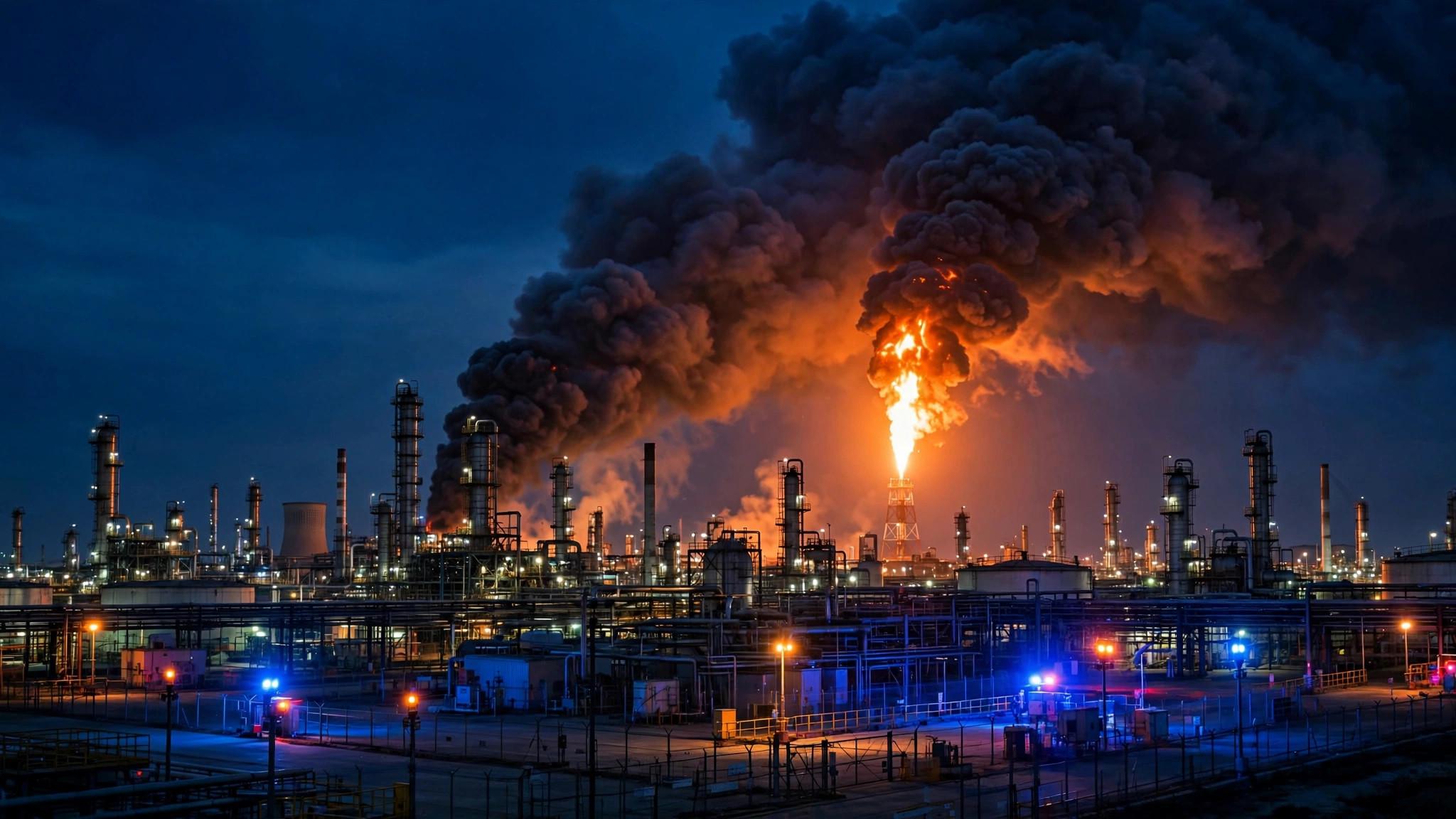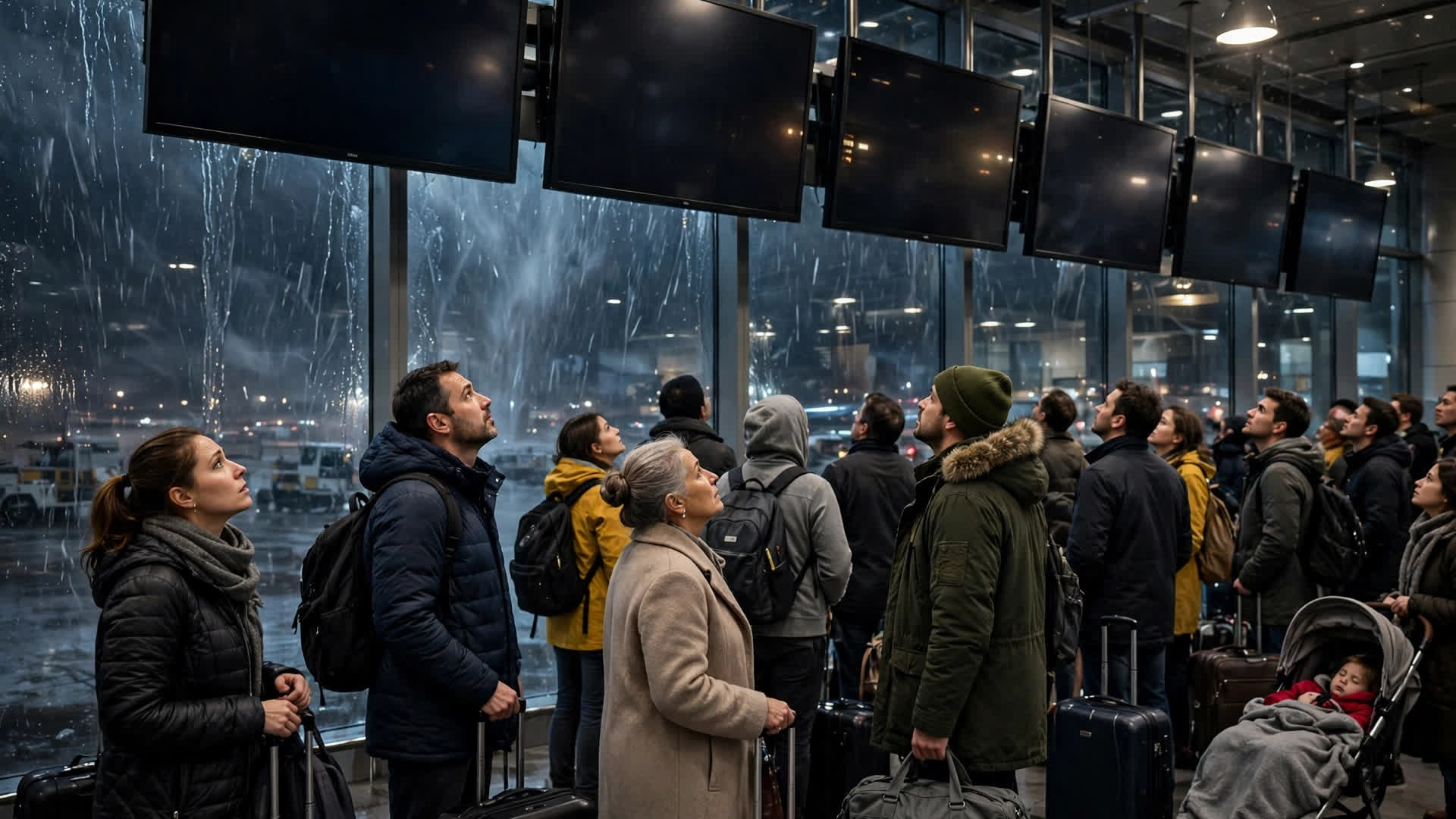

Thanksgiving Day 2026 has arrived with a storm. A powerful nor'easter is slamming the East Coast, delaying thousands of flights, flooding coastal roads and forcing emergency declarations in two states — all on what was already set to be one of the busiest travel periods in American history. Around 81.5 million people are travelling between 24 and 30 November, according to AAA, and for many of them the journey home is now running hours behind schedule.
The disruption built through Wednesday, traditionally the busiest travel day of the year. More than 6,000 flights were delayed across the United States, with around 150 cancelled, as the storm gathered strength off the Atlantic coast.
How Bad Is the Nor'easter?
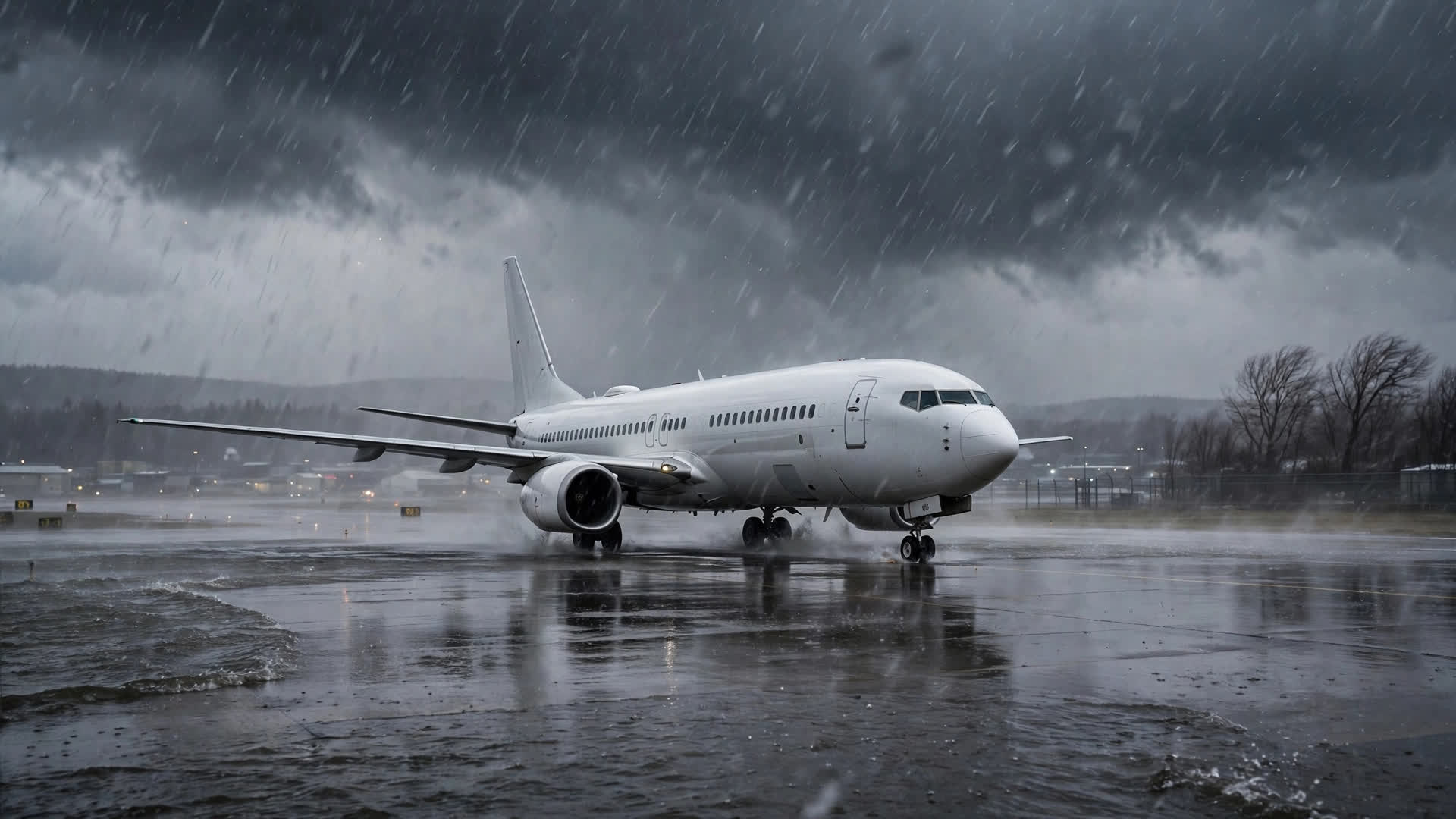
The storm is a classic nor'easter: a powerful low-pressure system pulling cold air from the north and moisture from the Atlantic, producing heavy rain, high winds and coastal flooding along the I-95 corridor from Washington to Boston. Forecasters expect 1 to 3 inches of rain along the corridor, with the heaviest falls in New Jersey, New York and New England.
The wind is the most dangerous element. Sustained winds of 30 to 40 mph are forecast, with gusts of 60 to 65 mph along the coast. That is strong enough to bring down trees and power lines — more than 26,000 people in North Carolina had already lost power during the storm — and strong enough to ground the balloons of the Macy's Thanksgiving Day Parade, which cannot fly if sustained winds exceed 23 mph or gusts top 34 mph.
Coastal flood warnings are in effect along much of the East Coast, and the storm's reach extends far beyond the Atlantic: on the West Coast, a pier in Pacifica, California, partially collapsed in heavy surf, a reminder that this is a coast-to-coast weather event.
Which States Have Declared Emergencies?
New Jersey Governor Mikie Sherrill declared a state of emergency covering all 21 counties from 6pm on Wednesday, urging residents to stay off the roads and warning of dangerous travel conditions through Thanksgiving Day. New York followed with its own state of emergency for New York City, Nassau, Suffolk and Westchester counties.
The declarations free up emergency resources and allow authorities to close roads quickly if conditions worsen. For travellers, the practical message is the same in both states: do not drive unless you have to, and expect delays on every route that stays open.
What Happened at the Airports?
Airports in the Northeast have borne the brunt of the disruption. Delays cascaded through the system as aircraft arrived late at their next destinations, and the problem spread far beyond the storm zone as the day went on.
The most dramatic incident came late on Wednesday at Miami International Airport, where a FedEx cargo plane overran a runway, prompting a ground stop. No injuries were reported, but the incident added to an already chaotic evening at one of the country's busiest airports.
The good news for passengers is that the major airlines — United, American, Delta and Southwest — are all waiving change fees for flights at Northeast airports affected by the storm, giving travellers a free chance to move their trip to a better day. Anyone still hoping to fly should check their flight status before leaving home: the departure board at the airport is the last place to discover a cancellation.
For the wider picture of the holiday rush, our guide to Thanksgiving travel 2026, the busiest travel day of the year explains what to expect at airports and on the roads.
Why Was the Macy's Parade Postponed?
In a first in its 100-year history, the Macy's Thanksgiving Day Parade has been postponed to Saturday, 28 November. The decision was driven by the wind: with gusts forecast at 60 to 65 mph, the giant balloons could not fly safely under the parade's own rules, which ban flights when sustained winds pass 23 mph or gusts exceed 34 mph.
The parade's balloons were deflated on Wednesday night, and there will be no second public inflation. It is a historic moment for an event that has marched through rain, snow and cold for a century — but never before through a storm like this one.
What About Travel on the West Coast?
The East Coast has the nor'easter, but the West Coast has its own problem: king tides. Exceptionally high tides are combining with heavy surf to threaten coastal roads, and the partial collapse of the Pacifica pier shows how serious the surf has become. Travellers heading to the coast should check local conditions first, as our report on king tides and coastal flooding threatening West Coast trips explains.
When Will Travel Get Back to Normal?
The storm is expected to move offshore through Thursday and Friday, but the recovery will take longer than the weather. Airlines need time to reposition aircraft and crews, and the backlog of delayed passengers will take days to clear. Friday and the weekend will still be busy, with millions travelling home and competing for the same rebooked seats.
For anyone still planning to travel, the best deals on flights and hotels are still available in the Black Friday travel deals for 2026, with flights to Europe from $399 and hotels up to 65% off — but check the weather at your destination before you book.
Final Thoughts
Thanksgiving 2026 will be remembered as the year the weather rewrote the holiday. More than 6,000 flights delayed, two states of emergency, a runway overrun in Miami, a collapsed pier in California and the first postponement in the 100-year history of the Macy's parade — all while 81.5 million Americans were on the move.
The storm will pass and travel will recover. For anyone still travelling this weekend: check before you go, build in extra time, and take the free rebooking your airline is offering.