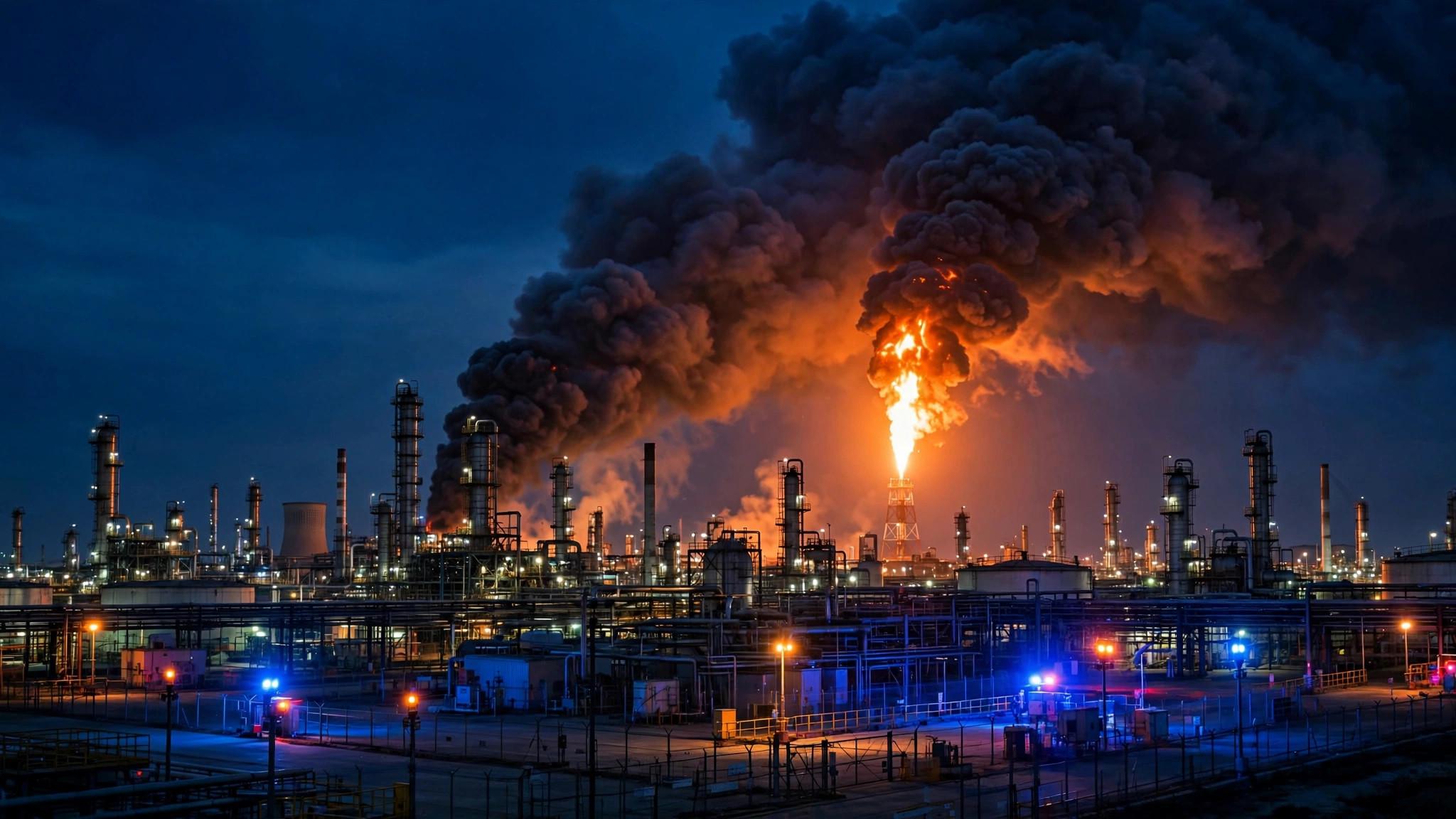
Vladimir Putin has warned that retaliation is "inevitable" after Ukrainian drones struck two major Russian oil refineries overnight — the latest escalation in a war that is now widening on two fronts at once. The strikes came as Moscow threatened NATO member Estonia with "open war", and as Russian missiles continued to hit Ukrainian cities.
The overnight attacks on refineries in Russia's Samara region, around 800 kilometres from the Ukrainian border, show that Kyiv's campaign against Russia's energy infrastructure is not slowing down — despite a direct request from US President Donald Trump to stop.
What Happened Overnight in Russia?
On the night of 24–25 November, drones reportedly struck Rosneft refineries in Russia's Samara Oblast. Monitoring channels named the facilities as the Syzran and Kuibyshev refineries, with local residents sharing footage of a large fire at one of the sites. The reports are still early, but they fit a pattern: Ukraine has been systematically targeting Russian refining capacity for months, aiming to cut the fuel supplies and export revenues that fund the war.
The strikes matter for two reasons. First, the distance — Samara is deep inside Russia, far from the front lines, which underlines how far Ukrainian long-range drones can now reach. Second, the timing — they came on the same day Putin publicly addressed the refinery campaign, a direct challenge to Moscow's warnings.
What Did Putin Say?
Speaking at a meeting of government officials and senior oil executives in the Kremlin on Tuesday, Putin said Ukraine's attacks on refining facilities were continuing "despite the US president's appeal and direct request to refrain from such attacks". His conclusion was blunt: Russian counter-actions against Kyiv's attacks on energy facilities are inevitable. Ukraine's foreign minister, Andrii Sybiha, responded that Putin could end the attacks on refineries by calling an end to the war itself.
The exchange shows the limits of Washington's leverage. Trump has been pressing both sides toward a rapid peace agreement — US envoys Jared Kushner and Steve Witkoff are pushing for a deal, ideally by January 2027 — but Kyiv's refinery campaign is continuing regardless, and Moscow is now openly promising a response.
What Is Happening in Ukraine?
While Putin was speaking, Russian strikes were already hitting Ukrainian cities. A strike killed two people — a 17-year-old boy and a 41-year-old man — and injured three more, including a child, in the Odesa region on 24 November. Another person was killed in Bila Tserkva on 25 November, and a nighttime attack on Zaporizhzhia killed two civilians and wounded 44 others, including four children, destroying a private house and partially destroying a five-storey apartment building. Russian forces also attacked Kyiv with drones late on Tuesday, triggering a fire in a multi-storey apartment building and injuring two people.
Ukraine's military is sending reinforcements to the Zaporizhzhia region, President Volodymyr Zelensky said on Tuesday, as Russian forces press along a front line of roughly 1,250 kilometres. Zelensky has also said Ukraine will seek stronger US support and sanctions if no acceptable peace deal is reached.
How Is the Standoff With Estonia Escalating?
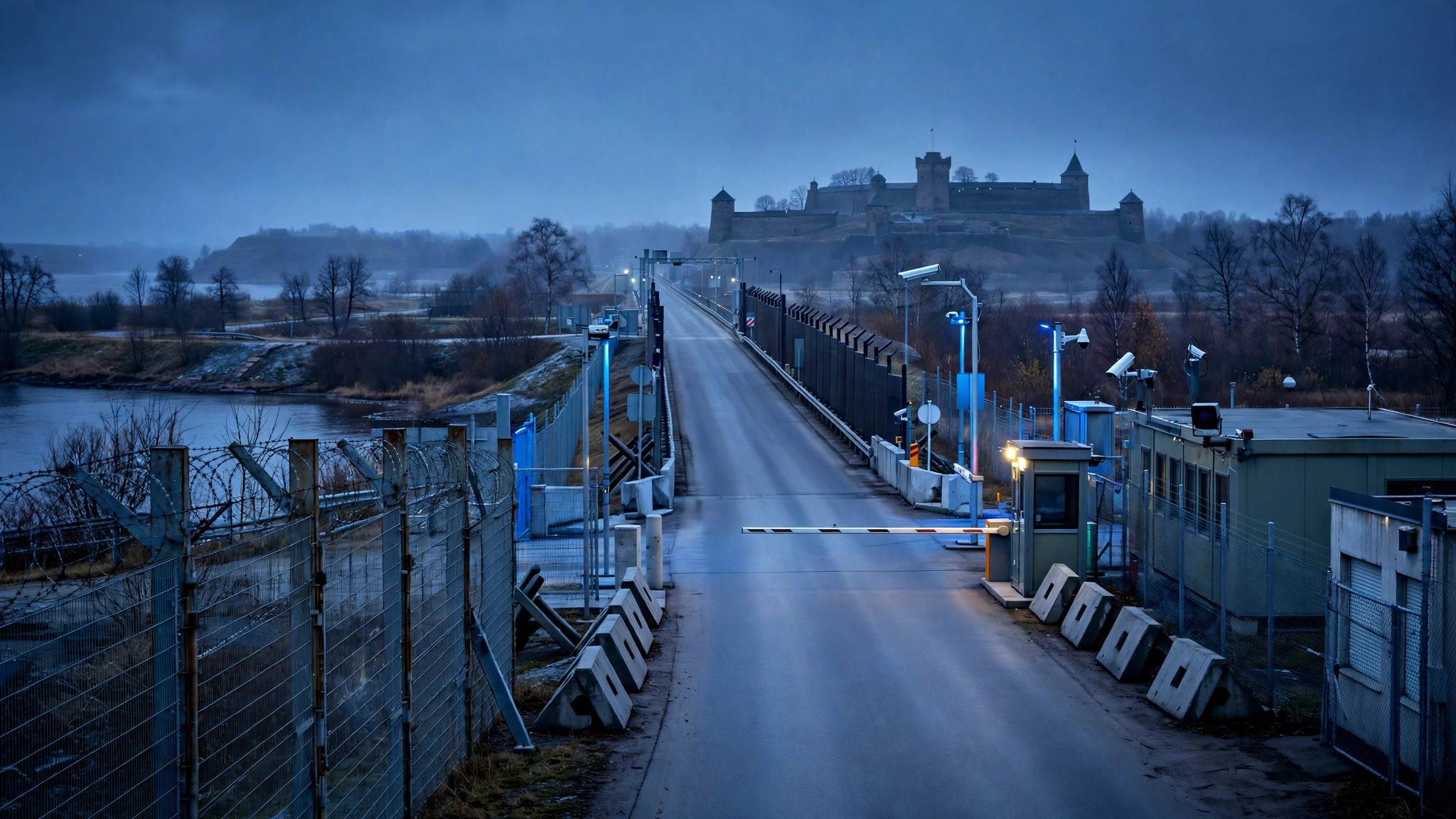
The second front in this widening confrontation is on NATO's north-eastern edge. Russia has escalated its diplomatic confrontation with Estonia, summoning the country's chargé d'affaires in Moscow and warning that Tallinn's decision to suspend all road border crossings with Russia from 1 December risks provoking a direct military confrontation.
Moscow has accused Estonia of hostile conduct and threatened countermeasures, including claims — rejected by Tallinn — that Estonia permitted Ukraine to use its airspace for attacks against Russian targets. Estonian Foreign Minister Margus Tsahkna dismissed the allegations as an attempt to divert attention from Russia's own activities against European security, and Estonia has reiterated that it has never allowed, and will never allow, its territory to be used for military operations by another country.
Now the dispute is spreading beyond road crossings. Estonian Prime Minister Kristen Michal said Tallinn could also suspend rail traffic with Russia. The road suspension will affect all five crossings — Narva-1, Narva-2, Koidula, Luhamaa and Saatse — and follows investigations into two attacks on Estonian defence industry companies this year, which Estonia's security service concluded were commissioned by Russian intelligence agencies.
What Is NATO Doing?
NATO Secretary-General Mark Rutte, speaking in Berlin, mentioned the situation in Estonia along with an incursion last week by Russian missiles into Poland as events the alliance was monitoring, and said it had options available to respond.
The alliance is watching closely because Estonia is a NATO member: an attack on it would trigger the collective defence clause. Russia's threat to Estonia with "open war" was already the sharpest warning Moscow has issued against a NATO member, and the overnight refinery strikes add a second source of tension. The question now is whether Moscow's retaliation stays inside Ukraine — or spills into the confrontation with Estonia.
What Happens Next?
Two dates now matter. On 1 December, Estonia's border closure takes effect — the first test of whether Moscow's "open war" language was a bluff or a warning. And in January 2027, US envoys hope to have a rapid peace agreement in place, though the overnight strikes suggest neither side is close to stopping.
Final Thoughts
Putin's vow of retaliation and the overnight strikes on Russian refineries show a war that is intensifying, not winding down, even as Washington pushes for a deal by January. At the same time, Russia's confrontation with Estonia is deepening from a diplomatic row into a full border shutdown. The coming days — starting with what Moscow does next in response to the refinery attacks — will show whether this is another round of threats, or the start of something far more dangerous.
Disclaimer: This article is for informational purposes only. The situation described is developing rapidly; details are based on reports available at the time of publication and may change as new information emerges.