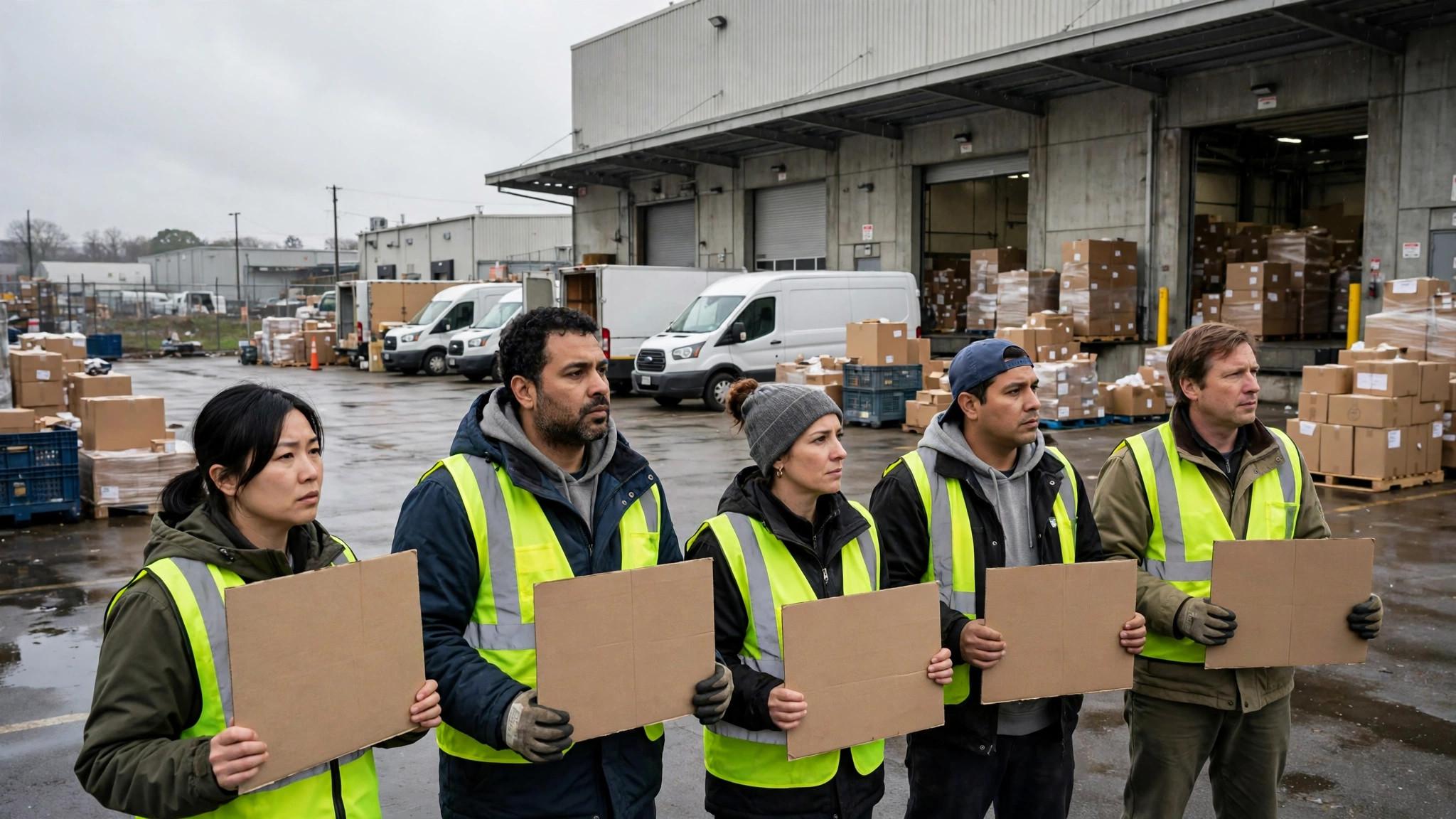

On the biggest shopping day of the year, Amazon is facing a walkout on a global scale. Workers and activists are taking action in more than 20 countries on Black Friday as part of the Make Amazon Pay campaign, demanding better pay, safer warehouses and a real plan on climate.
The strikes and protests are timed for maximum impact. Black Friday is the busiest day in Amazon's calendar, when millions of shoppers rush to buy everything from TVs to toys. Organisers say the day was chosen deliberately: workers want Amazon to feel the pressure when it matters most.
The campaign is run by the Make Amazon Pay coalition, which brings together trade unions, climate groups and other campaigners in dozens of countries. Its demands are the same ones workers have raised for years: fair pay, safer working conditions and an end to union-busting. This year, organisers also want Amazon to commit to paying its fair share of tax and to take real action on its carbon footprint.
Which Countries Are Taking Action?
Workers are walking out or protesting in more than 20 countries, including Germany, France, the UK, the US, India, Brazil, Japan and Australia. In Germany, workers at Amazon warehouses are staging walkouts. In France, activists have blocked delivery depots. In the UK, workers are protesting outside fulfilment centres, while in the US, Amazon delivery drivers and warehouse staff are joining actions in several states.
The scale of the action is what makes this year's campaign stand out. While previous Black Fridays have seen protests in a handful of countries, this year's actions span every continent where Amazon operates. The company employs more than 1.5 million people worldwide, and its workforce has become increasingly organised in recent years.
What Are Workers Demanding?
The Make Amazon Pay campaign has five core demands, agreed by unions and campaigners across the countries taking part:
Fair pay — Amazon workers want pay that keeps up with the cost of living, including a living wage in every country where the company operates.
Safer warehouses — workers want an end to punishing productivity targets and better protection from injury, particularly in warehouses where injury rates have been a persistent concern.
The right to organise — campaigners say Amazon must stop union-busting and respect workers' right to join a union.
Fair tax — Amazon should pay its fair share of tax in every country where it operates, rather than routing profits through low-tax jurisdictions.
Climate action — Amazon must commit to a genuine plan to cut its carbon emissions, not just offset them.
Will My Black Friday Order Be Delayed?
For shoppers, the most pressing question is whether the strikes will delay deliveries. Amazon has said it does not expect significant disruption to deliveries, and the company has contingency plans in place, including using other warehouses and third-party couriers to cover striking workers.
In practice, the impact on shoppers is likely to be limited in most countries. Past Black Friday actions have caused localised delays, but Amazon's logistics network is built to absorb disruption at individual sites. However, if you are ordering from a warehouse in a country where strikes are taking place, it is worth ordering early and keeping an eye on your tracking information.
That is not the point, say organisers. The strikes are not designed to stop every parcel — they are designed to show Amazon that its workers have power, and that the company cannot ignore their demands on the busiest day of the year.
What Does This Mean for Amazon's Business?
The strikes come at a sensitive time for Amazon. The company is facing scrutiny from regulators in Europe and the US over its market power, and its treatment of workers has become a recurring issue for politicians and investors alike. In the US, the National Labor Relations Board has pursued multiple cases against Amazon over its treatment of union organisers.
For investors, the strikes are a reminder that Amazon's growth has been built on a workforce that is increasingly willing to organise. While the company has so far weathered labour unrest without major financial impact, the scale of this year's actions — and the growing coordination between unions in different countries — suggests the pressure is only going to increase. With Brent crude nearing $97 and inflation already running hot, consumers are already feeling squeezed. A labour dispute that pushes up costs could add to the pressure on prices.
Final Thoughts
The Black Friday strikes are a reminder that behind every parcel is a worker — and that those workers are increasingly willing to stand up for themselves. Whether the strikes lead to concrete changes at Amazon remains to be seen, but the scale of this year's action suggests the company's labour problems are not going away. For shoppers, the message is simple: your order will probably arrive on time, but the people who packed it want you to know what it cost them.