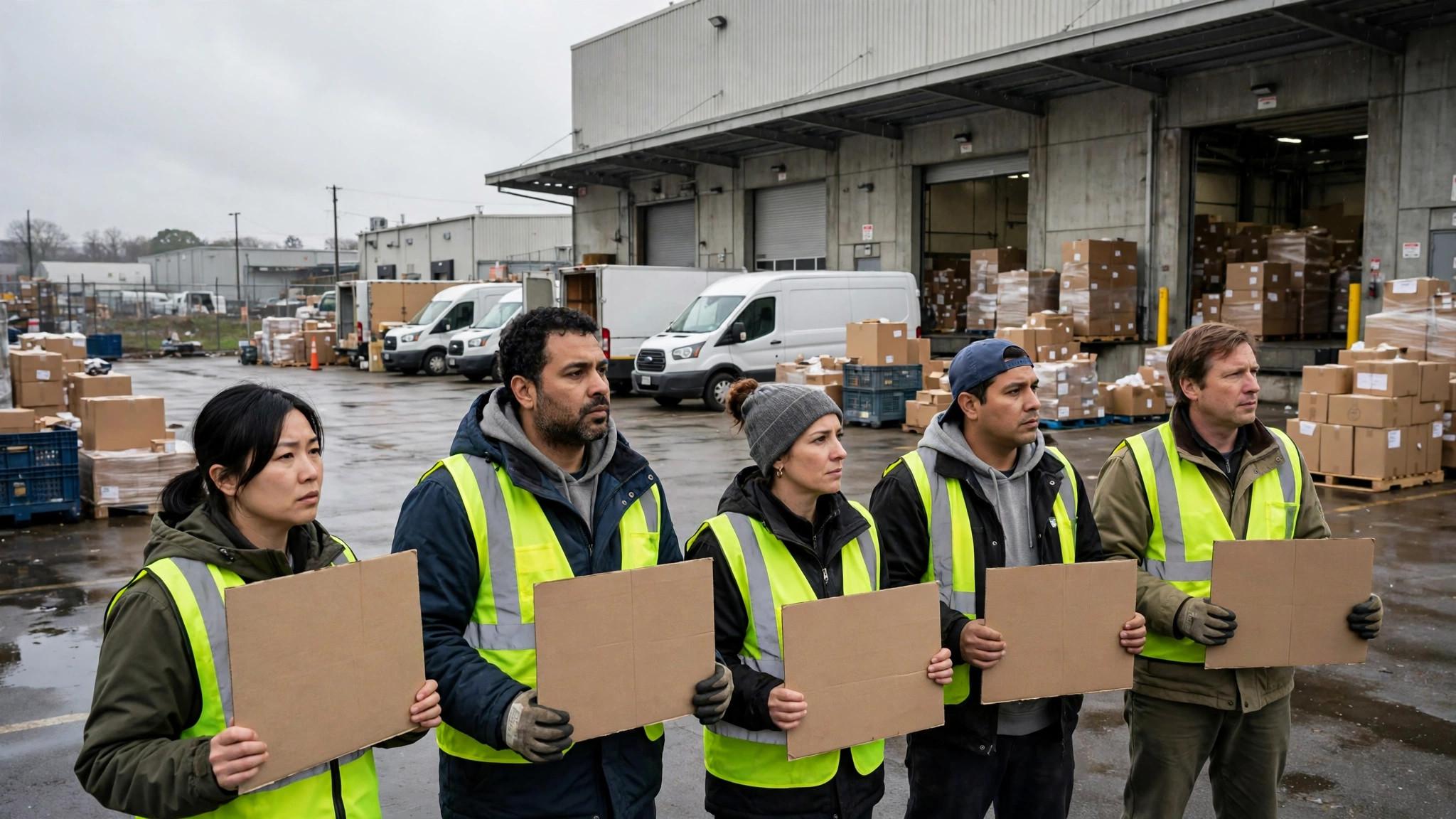
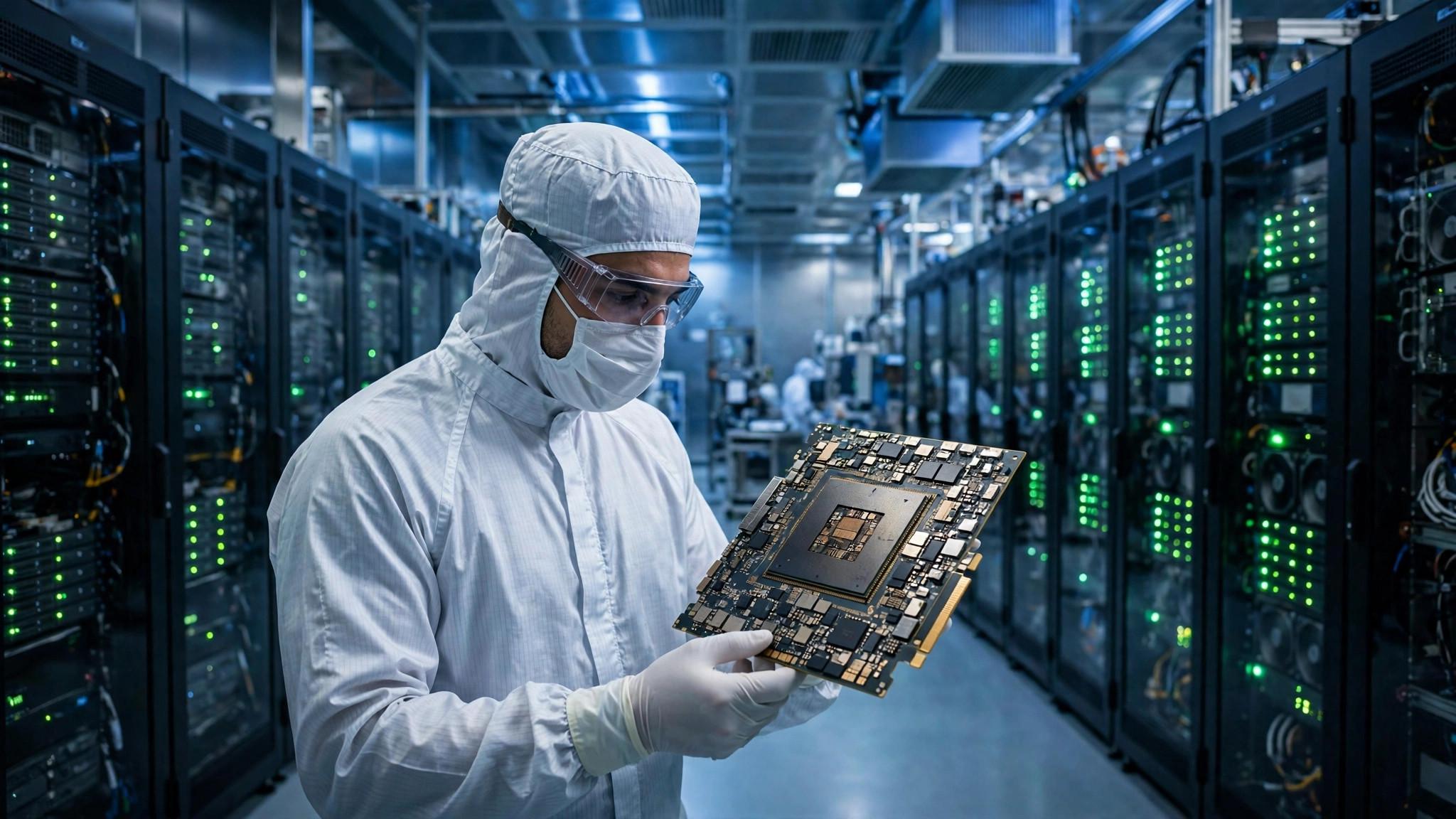

Nvidia has told manufacturing partners including Dell and Super Micro to halt AI server shipments to Malaysia, Singapore, Thailand and Indonesia for an unspecified period, the Financial Times reported on 26 November, while the chip giant assesses whether the shipments comply with toughened US export requirements. It is the clearest sign yet that Washington's crackdown on AI chip smuggling is biting the world's most valuable chipmaker.
Nvidia declined to comment on the report. But the move speaks for itself: the company that powers the global artificial intelligence boom is choosing caution over sales in one of the fastest-growing markets for AI hardware. For customers across Southeast Asia, the question now is how long the freeze lasts — and what it means for the data-centre boom sweeping the region.
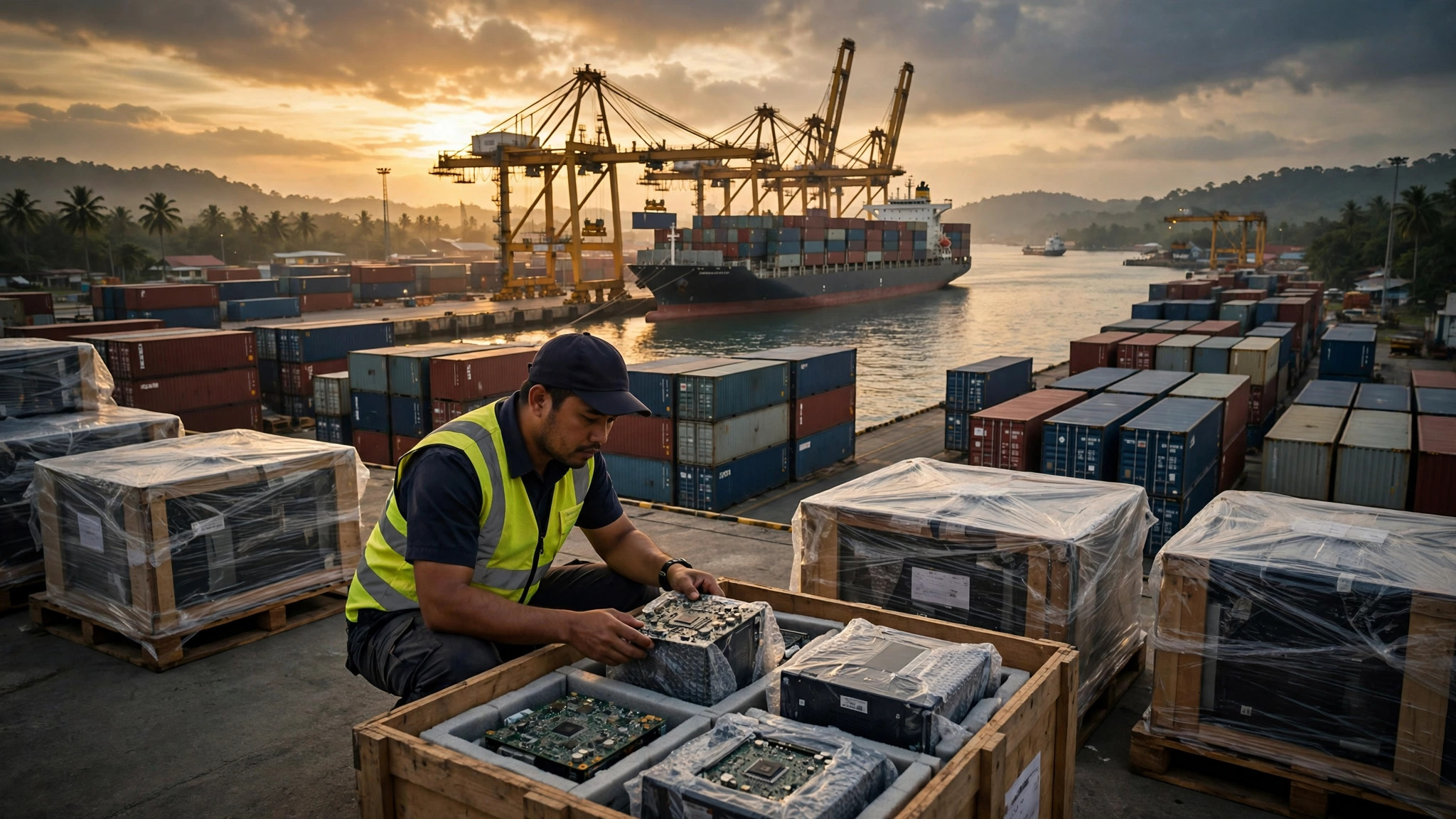
The halt lands at an awkward moment. Data-centre operators are racing to buy every GPU they can get, and Southeast Asia has become one of the hottest frontiers in that race, with billions pouring into new data centres in Malaysia, Singapore and Thailand. Even a temporary pause ripples through that supply chain.
Why Did Nvidia Halt the Shipments?
The trigger is a new US export rule: on 19 November, the Bureau of Industry and Security (BIS) issued an interim final rule tightening controls on advanced AI chips and the servers containing them. Nvidia is now reviewing its shipments against those requirements before more hardware leaves for the four countries named.
The rule is part of a broader American effort to stop advanced AI chips reaching China through third countries. Washington has spent years restricting direct sales of the most powerful chips to Chinese buyers, but officials have grown increasingly concerned that the hardware is instead being routed through intermediaries in Southeast Asia — a region that has become a major hub for AI server assembly and data-centre construction. For Nvidia, the stakes are enormous: a compliance failure could mean fines and lost export licences, so pausing shipments while compliance teams work through the new rules is the safer course, even if it costs sales.
How Big Is the Chip Smuggling Problem?
The crackdown is not happening in a vacuum. According to reports, two California-based customers of Nvidia were Chinese-owned firms that were used to circumvent US restrictions, funnelling powerful chips to buyers they were never meant to reach. Nvidia chip sellers have also warned cloud providers that they could lose access to GPUs if they rented computing capacity to Chinese companies.
The scale of the legitimate trade makes the problem harder to police. The US House Foreign Affairs Committee disclosed that the Trump administration approved the export of almost 900,000 advanced AI chips from Nvidia and AMD to Chinese firms between December 2025 and May 2026. That figure has fuelled a fierce debate in Washington about whether the export control regime is working at all — and whether the rules need to be tighter still.
What Does the Freeze Mean for Southeast Asia?
Malaysia, Singapore, Thailand and Indonesia are not bit players in the AI economy. Malaysia has attracted a wave of data-centre investment, and Singapore is one of Asia's most important digital hubs. A halt on AI server shipments hits all four at once, just as their AI ambitions are accelerating.
The impact will not fall evenly. Large cloud providers with existing stockpiles of GPUs can ride out a short pause, but smaller operators, start-ups and government projects waiting on new hardware will feel it first, with delivery delays pushing back AI projects already under way. Dell and Super Micro, the manufacturing partners named in the report, also face disruption: servers built for Southeast Asian customers now have nowhere to go until the compliance review is complete.
What Happens Next?
The key question is how long the halt lasts. Nvidia has given no timeline, describing the pause only as lasting for an unspecified period while it assesses compliance. That assessment could take days if the issues are straightforward — or weeks if the new BIS rule requires a deeper rethink of how shipments to the region are structured.
Investors will be watching closely. The stock soared 31% in a single day earlier this month when Jensen Huang returned as chief executive, then fell 5.9% the following day as questions about AI project debt came into focus, and the S&P warning of a possible credit downgrade over key-man risk around Huang added to the turbulence. A prolonged shipment freeze would be another test of how much bad news the market is willing to absorb.
Washington will be watching too. The BIS rule is interim, which means it can still be revised — and the lobbying from chipmakers, cloud providers and Southeast Asian governments has only just begun. The Dell earnings report, which showed AI server revenue jumping 103% even as margins were squeezed underlined just how much money is now tied up in this supply chain — and how many companies have a stake in where the rules land.
Final Thoughts
Nvidia's decision to halt AI server shipments to Southeast Asia shows how seriously the chip smuggling crackdown has become — and how messy it is to enforce. The company is pausing sales in a booming market not because demand has faded, but because the rules governing that demand have changed faster than the supply chain can adapt.
For Southeast Asia's data-centre boom, the freeze is a warning: the region's AI ambitions now run through Washington's export control regime, and that regime is tightening. Whether the pause pays off depends on how quickly the compliance review ends, and whether the next set of rules is any clearer than the last.
This article is for informational purposes only and does not constitute financial advice. Investing involves risk, including the possible loss of principal. Readers should do their own research or consult a licensed financial adviser before making investment decisions.