Thanksgiving 2026 is shaping up to be one of the busiest travel holidays on record. AAA projects that 81.5 million Americans will travel at least 50 miles from home between Tuesday and next Monday. Around 6 million of them will fly, and they will be paying 17–20% more for their tickets on average than last year.
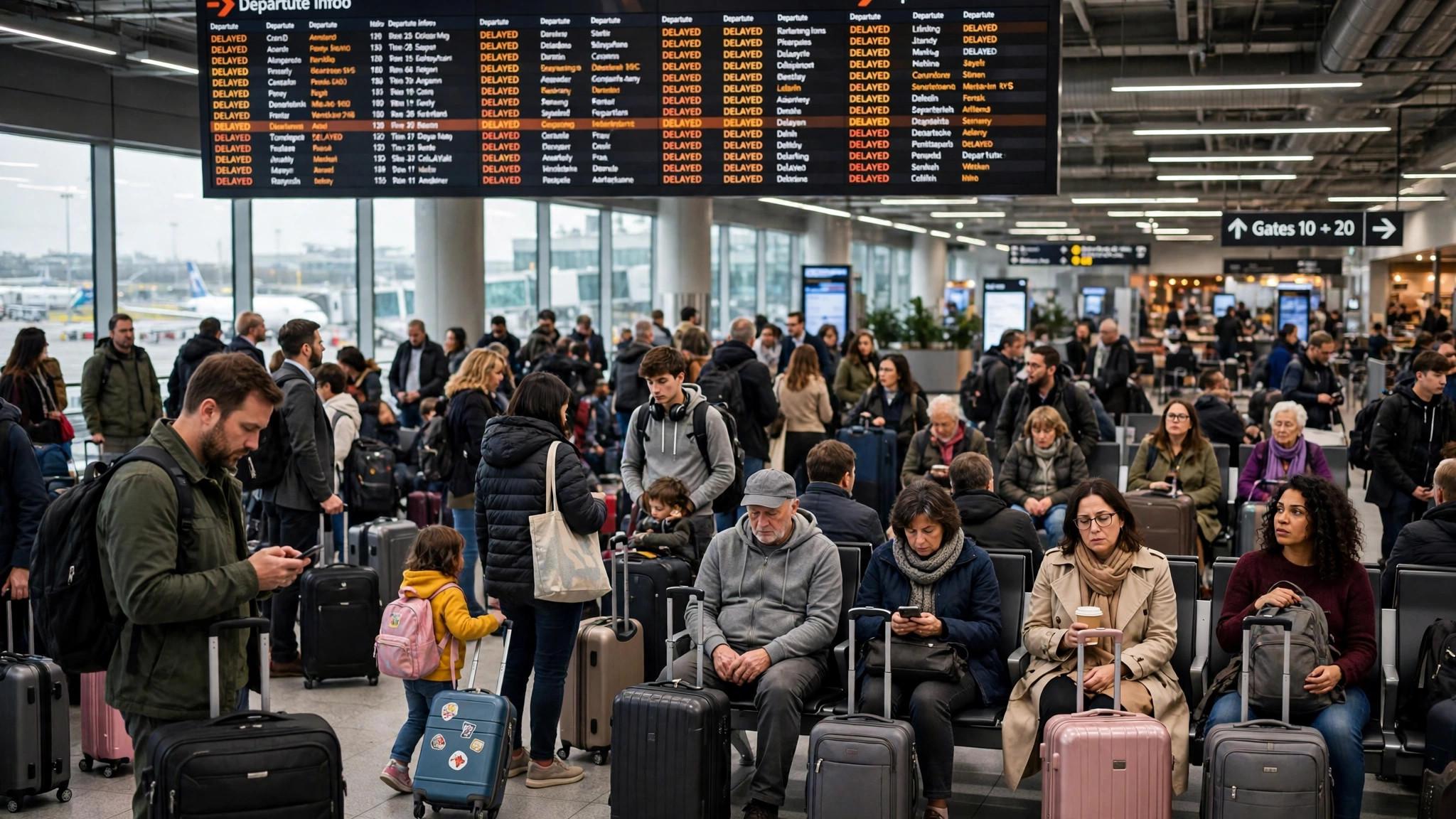
More than 4 million travellers are expected to pass through Atlanta's Hartsfield-Jackson airport alone between 19 November and 1 December. And the week has already got off to a rocky start, with an East Coast storm, flooding in Florida and a Delta system failure that delayed around 2,000 flights on Sunday.
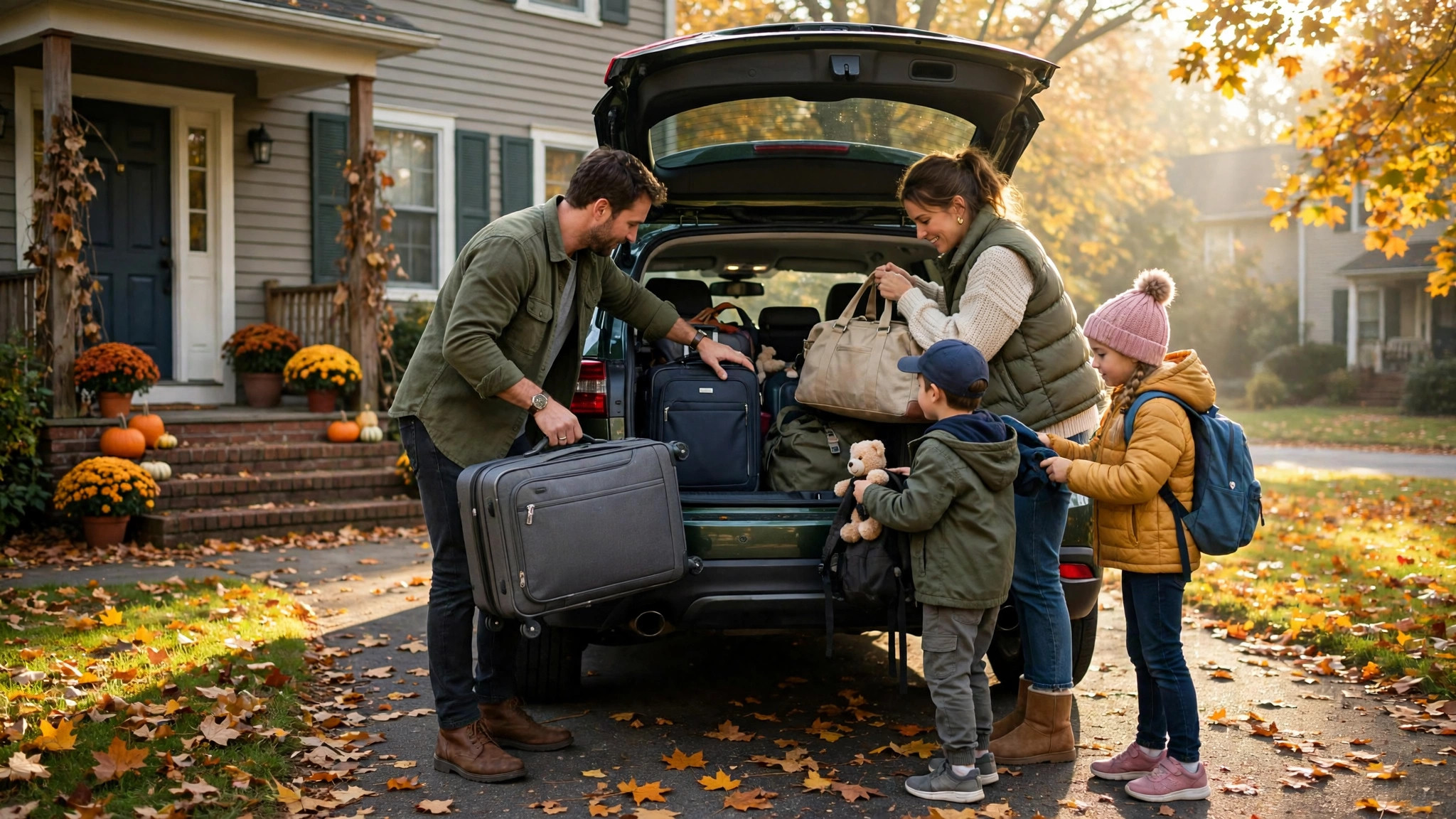
How Many People Are Travelling This Thanksgiving?
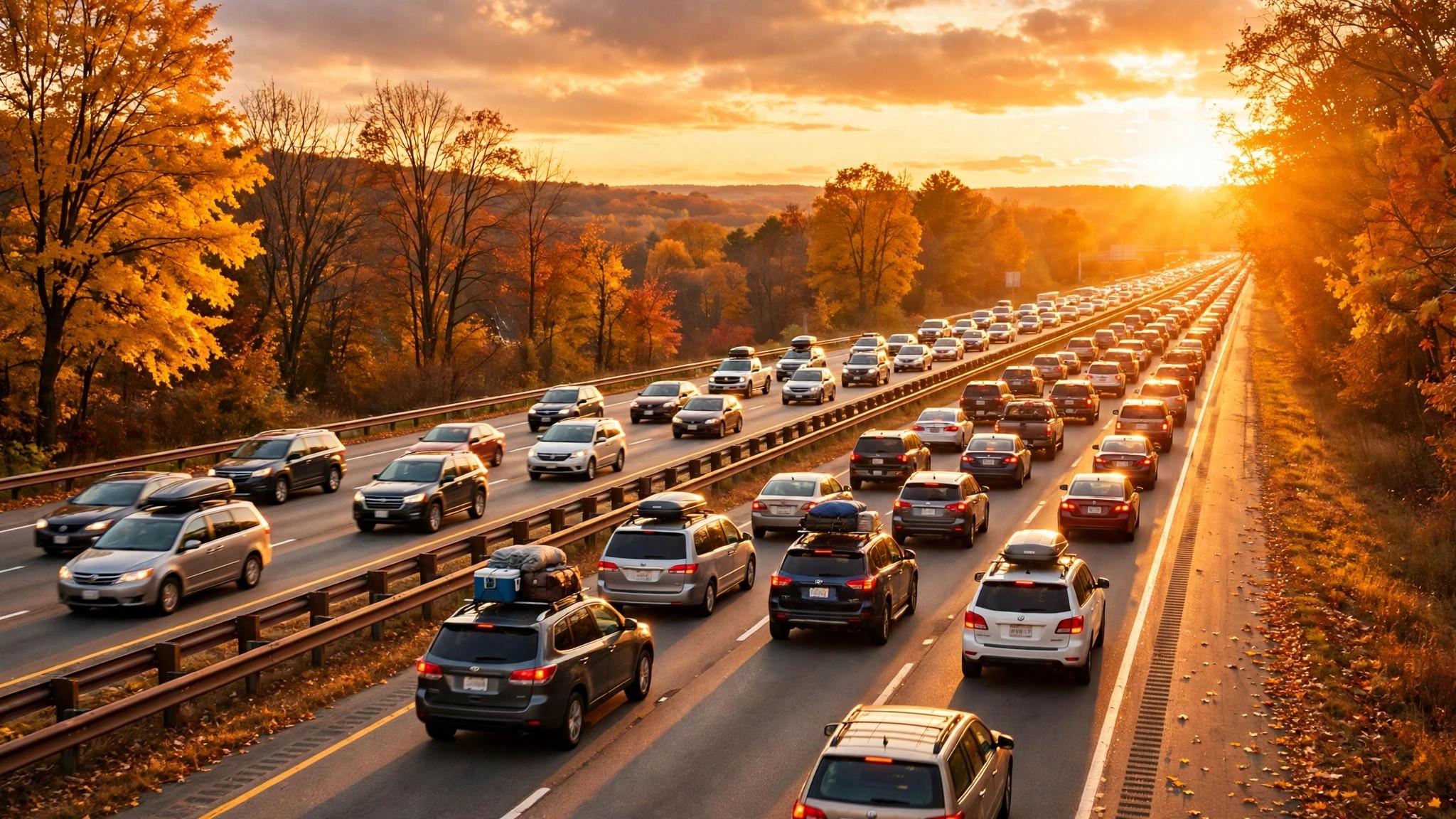
AAA's projection of 81.5 million travellers covers everyone travelling at least 50 miles from home between Tuesday and next Monday — by car, plane, train and bus. Around 6 million will fly, but most people will still be driving, so the roads will be just as busy as the airports.
Why Are Airfares So Much Higher This Year?
Airfares for Thanksgiving 2026 are up 17–20% on average, a sharp rise that reflects both strong demand and limited capacity on the most popular routes. With 6 million people flying and millions more trying to book last-minute seats after cancellations, prices on the busiest routes have climbed fast.
Thanksgiving flights in 2026 are already among the most expensive in recent years, with 6 million flying and fares up 17–20%, and the disruptions of the past few days have only added to the demand for the remaining seats. Passengers who have not yet booked should expect to pay a premium, especially on the most popular routes and departure days.
How Is the Weather Affecting Travel?
The weather has already caused serious problems this week. An East Coast storm brought 1–4 inches of rain and 40–60 mph gusts from Florida to Maine over the weekend, disrupting flights and driving conditions along the entire eastern seaboard. The storm brought 60 mph gusts, flooding rain and delays from Florida to Maine.
Florida's airports had already been struggling earlier in the week, with flooding at Fort Lauderdale (FLL) and Miami (MIA). Delta has issued a waiver covering six Florida airports through 23 November, allowing passengers to change their travel plans without the usual fees. Then came Sunday's Delta system failure, which delayed around 2,000 flights.
When Is the Best Time to Travel?
There is no single quiet moment during Thanksgiving week, but some times are reliably better than others. As a general rule, travelling early in the morning is your best bet — the first flights of the day are the least likely to be affected by delays building up through the day, and the roads are quieter before the holiday traffic builds.
The peak afternoon and evening hours are the worst time to travel, when airports are at their busiest, queues are at their longest, and any delays from earlier in the day have had time to pile up.
A few practical rules will help whatever time you travel:
Allow extra time at the airport — arrive earlier than you normally would, and budget time for longer security queues and crowded terminals.
Build in a buffer — leave a generous gap between connecting flights so a delay on the first leg does not ruin the econd.
Travel light if you can — carry-on only means no waiting at baggage claim and no lost luggage if your flight is changed.
Keep your plans flexible — have a backup route or flight in mind, and keep your phone charged so you can rebook quickly if things change.
What Should You Do If Your Flight Is Cancelled?
If your flight is cancelled, the airline should offer to rebook you on the next available flight, and you are generally entitled to a refund if you choose not to travel.
Act quickly. When thousands of passengers are trying to rebook at the same time, the available seats disappear fast. Use the airline's app or website first — it is usually much faster than queuing at the airport counter. Keep records of any extra spending on meals or hotels, and check whether the airline is offering a travel waiver for your route.
What Should Drivers Keep in Mind?
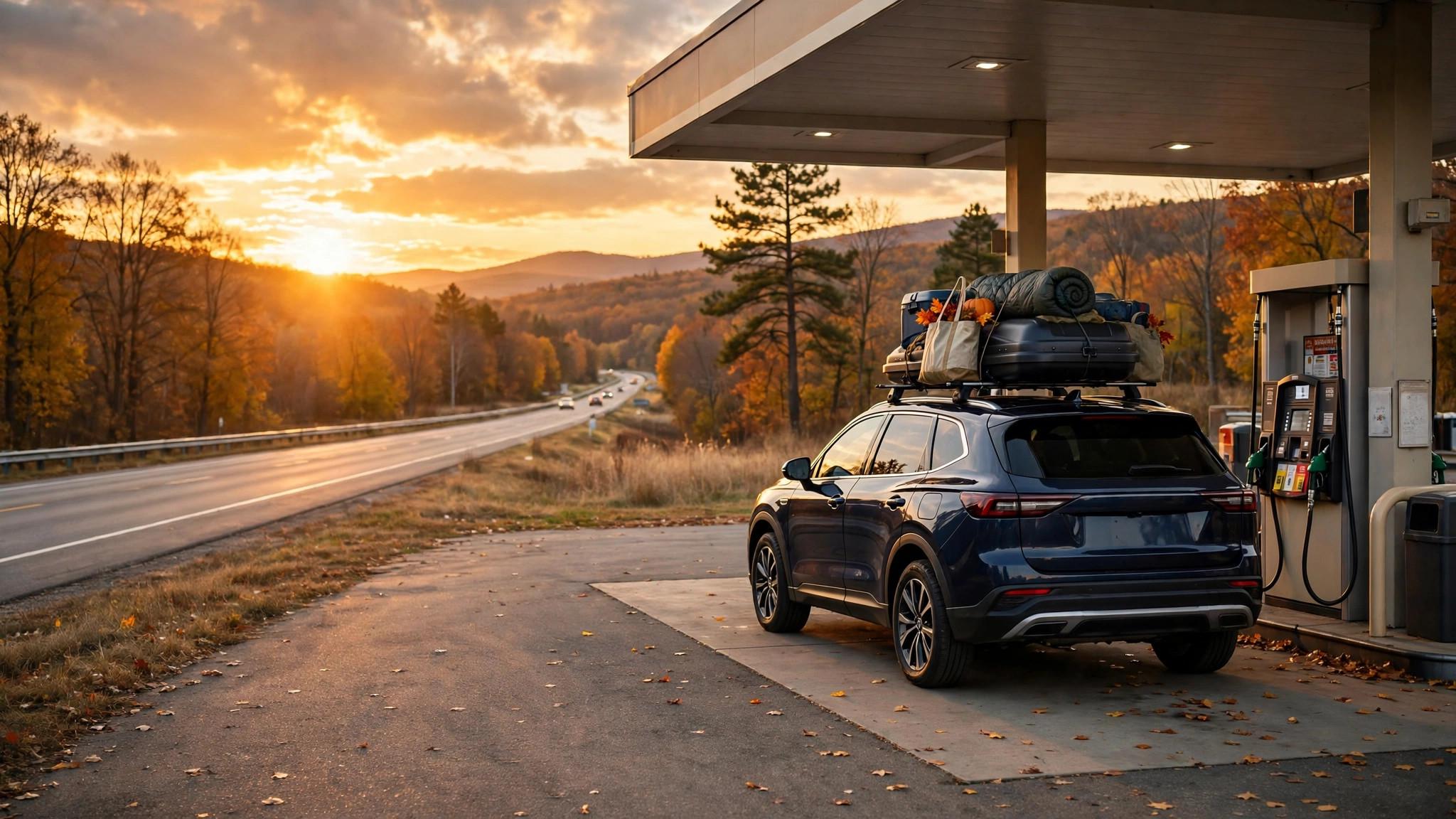
Most Thanksgiving travellers will be driving, and heavy traffic, bad weather and long journeys are a difficult combination, so preparation matters.
Check your car before you leave — tyres, fuel, lights and windscreen wipers should all be in good shape before a long drive.
Check the weather on your route — rain and high winds can turn a routine drive into a slow and stressful one.
Take regular breaks — long drives in heavy traffic are tiring, so plan stops and share the driving if you can.
Keep essentials in the car — water, snacks, a phone charger and warm clothing can make a long delay far more bearable.
Allow far more time than usual — journey times can easily double on the busiest days, so set off early.
If you are still planning a future trip, it is worth thinking ahead: spring break travel deals for 2027 offer some of the cheapest destinations and savings of up to 40% when booked early.
Final Thoughts
Thanksgiving 2026 will see 81.5 million Americans on the move, with 6 million flying on fares up 17–20% and millions more driving. Storms, flooding and a Delta system failure that delayed around 2,000 flights have already disrupted the week, so plan for delays rather than hoping to avoid them. Travel early in the morning, allow extra time, know your rights if your flight is cancelled, and keep your plans flexible.
Disclaimer: This article is for informational purposes only. Travel conditions, flight schedules and airline policies can change at short notice. Passengers and drivers should check the latest weather, flight status and official guidance from AAA and the FAA before travelling.