


Thanksgiving is the busiest travel week of the year in the United States, and this year it comes with a warning. A powerful East Coast storm is set to bring flooding rain, damaging wind gusts and widespread travel delays from Florida to Maine on Sunday and Monday, right as millions of Americans begin their holiday journeys. AAA projects that 81.5 million Americans will travel this Thanksgiving, with around 6 million of them flying. For many of those travellers, the storm will be the first obstacle of the holiday — and for those driving the I-95 corridor, it could turn a routine journey into a long and stressful one. Here is what is coming, where it will hit hardest, and what you can do about it.
Where Is the Storm Headed and When?
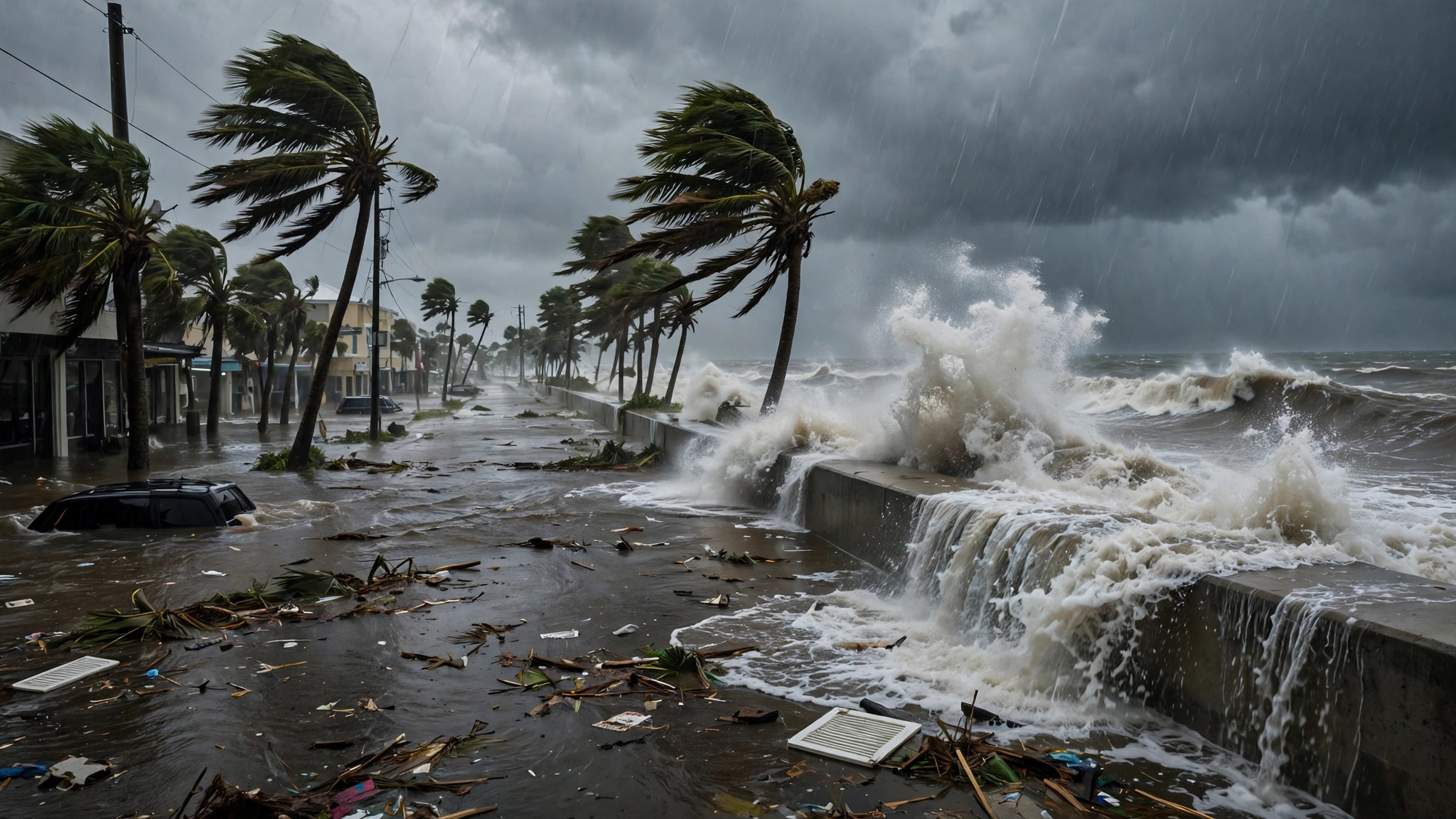
The storm is expected to affect the entire East Coast, from Florida to Maine, with the worst conditions on Sunday and Monday. It is a broad, slow-moving system bringing heavy rain and strong winds to the coastal corridor where tens of millions of people live — and where most of the Thanksgiving travel is heading. Rainfall of 1 to 4 inches is expected across much of the region, with the Outer Banks of North Carolina facing 4 to 8 inches and a serious flooding risk on the low-lying barrier islands. Wind gusts of 40 to 60 mph are forecast along the coast, strong enough to bring down trees, cut power and make driving dangerous — particularly for high-profile vehicles. The storm arrives after a week of bad weather in Florida, where Fort Lauderdale and Miami airports both flooded earlier in the week.
How Bad Will the Flooding and Wind Get?
The two main dangers are water and wind. Four inches of rain in a day is enough to flood roads, overwhelm drains and turn underpasses into traps. In coastal areas, the combination of heavy rain and strong onshore winds can push water inland, flooding streets that rarely see standing water. The wind is the other half of the problem. Gusts of 40 to 60 mph can bring down branches and power lines, and they make driving hazardous — especially on bridges and exposed stretches of highway. For air travel, high winds can force airports to change runway configurations, slow departures and, in the worst cases, ground flights entirely. Anyone travelling through the Mid-Atlantic and Northeast on Sunday or Monday should expect the journey to take longer than planned. Build in extra time, keep your phone charged, and check conditions before you leave rather than after you are already on the road.
Which Airports and Roads Are Most at Risk?
Florida's airports are already under strain. Fort Lauderdale and Miami both flooded earlier in the week, and Delta has issued a travel waiver covering six Florida airports through 23 November, allowing passengers to change their flights without paying a fee. If you are flying through Florida, check whether your booking is covered — and rebook early, before the alternatives fill up. Further north, the major hubs along the I-95 corridor — including the New York, Philadelphia, Washington and Boston airports — are all in the storm's path. Delays are likely to cascade: a late departure in Miami can mean a missed connection in Atlanta, and a ground delay in New York can ripple through the whole network. Drivers face their own risks. The I-95 corridor is the busiest holiday driving route in the country, and heavy rain on a road already packed with Thanksgiving traffic is a recipe for long delays and accidents. If you can travel before the storm arrives or after it passes, do so. This storm follows a week of disruption in the skies. Air travel has already been hit by a wave of cancellations linked to the FAA ground stop, with more than 2,500 flights cancelled on Saturday alone. Our guide to US flight cancellations and air travel disruption explains what passengers need to know when flights are cancelled — including your rights to refunds and rebooking.
What Should Travellers Do Right Now?
If you are travelling on Sunday or Monday, take these steps now rather than waiting:
Check your flight status before leaving home. Airlines are updating schedules as the forecast changes, and your flight time may already have moved.
Use the waiver if you have one. Delta's Florida waiver runs through 23 November — rebook to a different day or a different airport if you can.
Allow far more time than usual. Airport queues will be longer, roads will be slower, and parking will be busier. Arrive early.
Pack essentials in your hand luggage. Medication, chargers, snacks and a change of clothes in your carry-on will make a long delay bearable.
Keep your documents and bookings on your phone. Screenshots of boarding passes and hotel confirmations work even when the airport Wi-Fi does not.
Do not drive through floodwater. It takes only a small depth of moving water to sweep a car away. Turn around, do not drown.
If your travel plans are flexible, the cheapest insurance against the storm is simply to travel a day earlier or a day later. For ideas on how to plan a trip that costs less, our guide to Spring Break travel deals 2027 covers the cheapest times to book and how far ahead to plan — the same principles apply to any holiday journey.
Final Thoughts
The Thanksgiving storm is not a reason to cancel your holiday — but it is a reason to prepare. Expect 1 to 4 inches of rain, gusts up to 60 mph and delays from Florida to Maine on Sunday and Monday. Check your flight, use the waivers on offer, allow extra time, and keep your essentials close. With 81.5 million Americans on the move, the roads and airports will be busy even without the weather. Add the storm, and patience becomes the most important thing you can pack.