
Thanksgiving is a time for family and coming together — but this year, families in Pennsylvania face a worrying backdrop. A measles outbreak spreading across the state has claimed a ninth life and now affects 46 counties, from the biggest cities to the smallest towns.
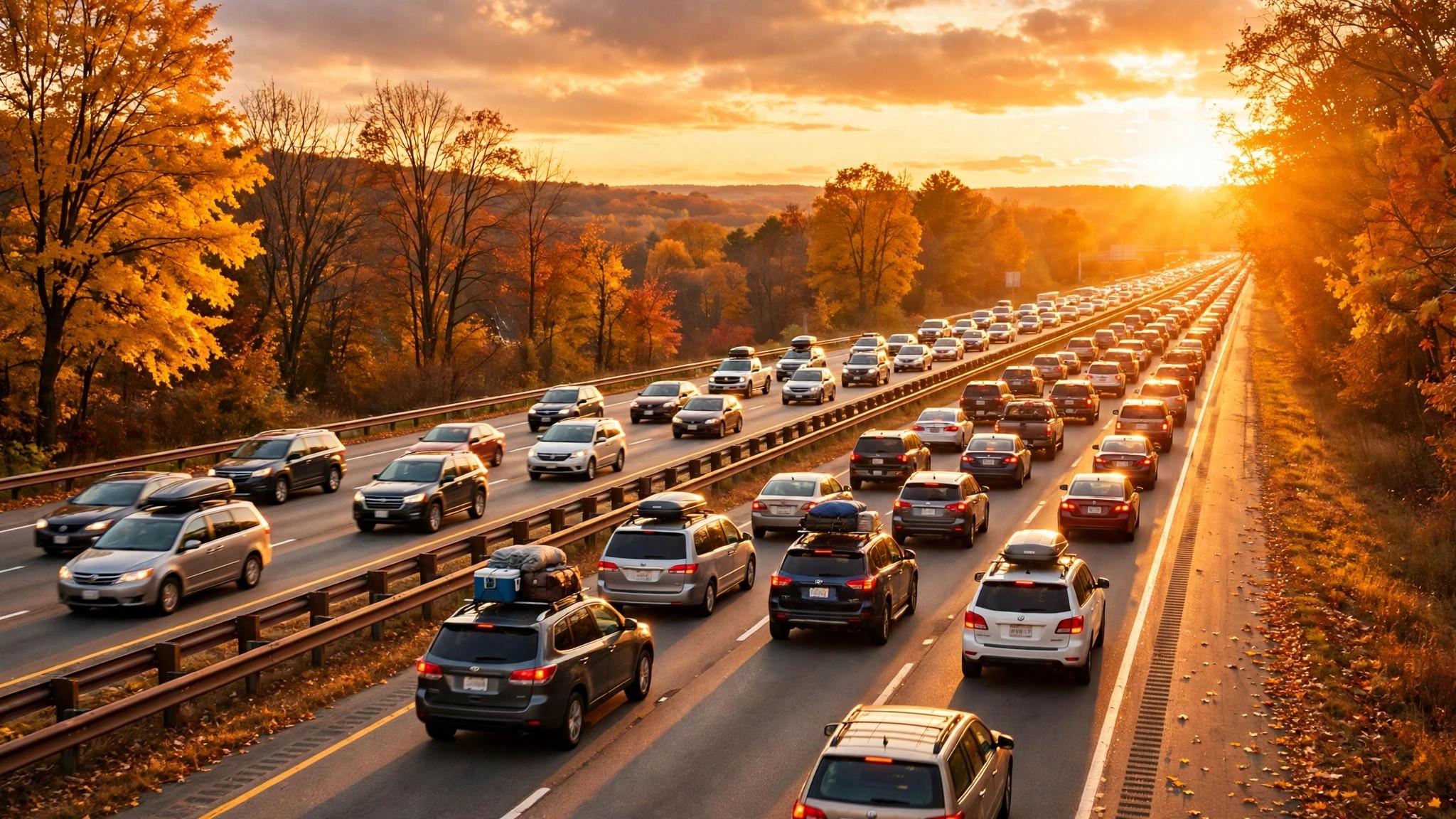
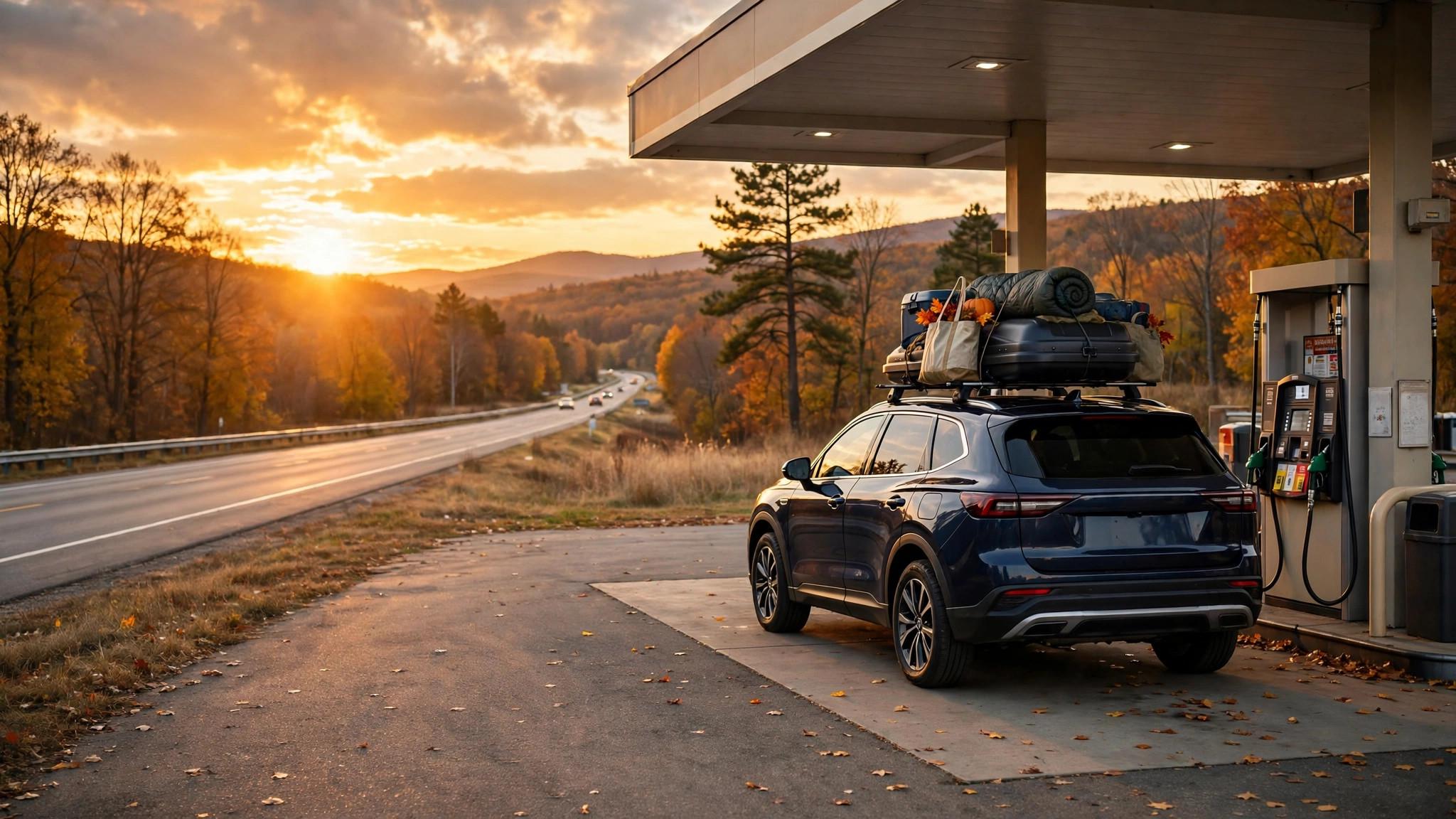
The timing could hardly be worse: the outbreak is gathering pace just as AAA forecasts 81.5 million Americans travelling for Thanksgiving week. Crowded airports, busy highways, and packed family dinners create exactly the close contact in which measles thrives. If you are travelling or hosting this week, here is what you need to know.
What Is Measles — and Why Does It Spread So Fast?
Measles is a highly contagious virus that spreads through the air. When a person with measles coughs or sneezes, tiny droplets can hang in the air for up to two hours, and anyone who breathes them in can become infected. You do not even need to be in the room at the same time — walking into a space where someone with measles was recently present can be enough.
That makes measles one of the most contagious diseases known: in a group of unprotected people, one case can infect almost everyone around them. The virus also spreads before the rash appears, so people can pass it on without realising they are ill.
What Are the Symptoms of Measles?
Measles usually begins like a bad cold: a high fever, a cough, a runny nose, and red, watery eyes. A few days later, small white spots may appear inside the mouth, followed by the signature rash of flat red spots spreading down from the face.
Most people recover within a couple of weeks, but measles is far from harmless. It can cause ear infections, diarrhoea, and pneumonia, and in serious cases swelling of the brain or death. The ninth death in Pennsylvania is a stark reminder that this is not a mild illness of the past — it can turn deadly, especially for those least able to fight it.
Who Is Most at Risk?
Those most at risk have never been vaccinated or have immune systems that cannot fight infection well. Babies too young for the vaccine are especially vulnerable, as are pregnant women, older adults, and people with weakened immune systems.
Thanksgiving gatherings often bring these groups together under one roof: grandparents, newborns, and relatives with health conditions, all sharing the same air for hours. That is why health officials urge families to think about who will be at the table — and to protect the most vulnerable people in the room.
How Does the MMR Vaccine Protect You?
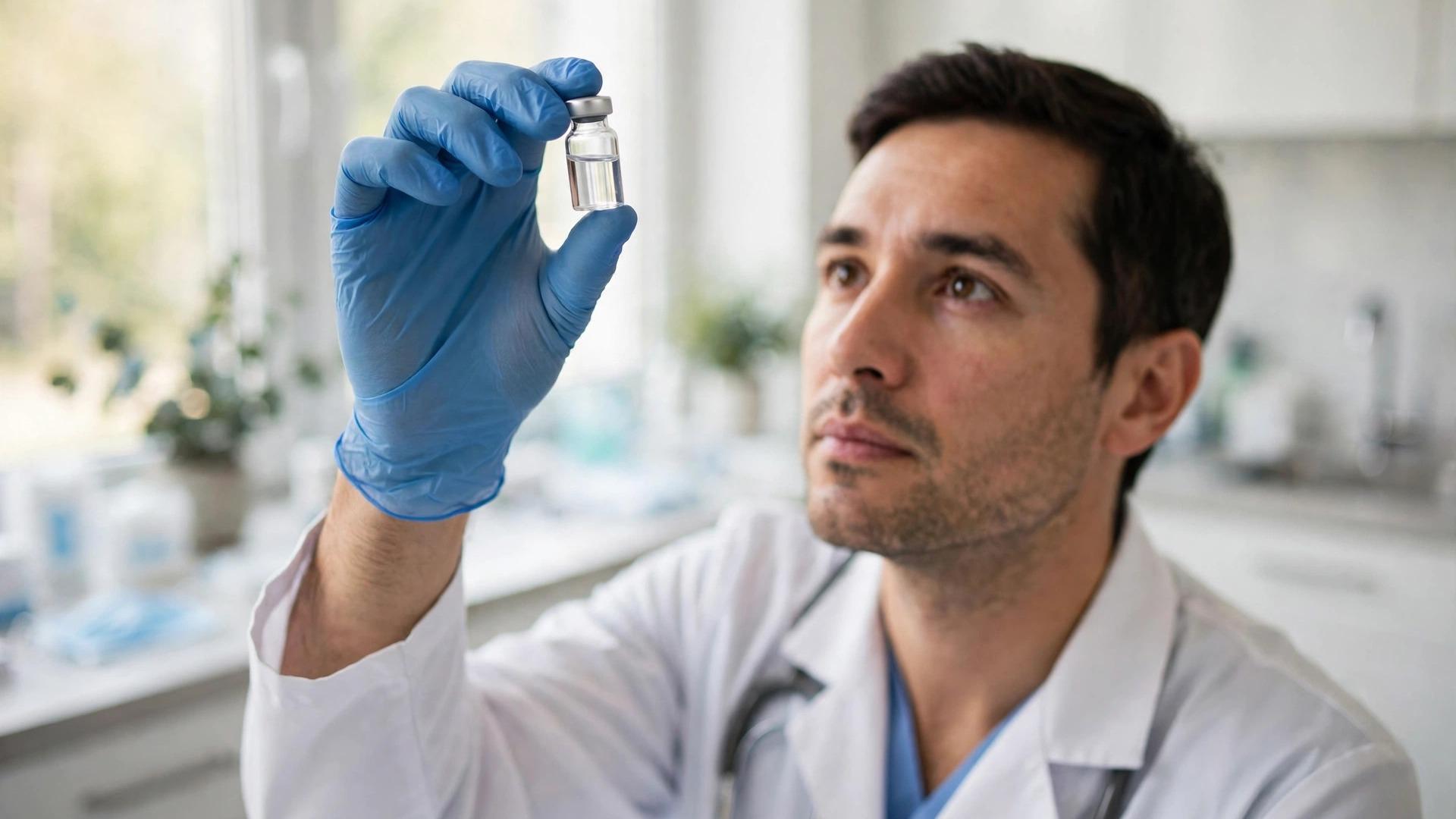
The best protection is the MMR vaccine, which guards against measles, mumps, and rubella. Two doses provide very strong, long-lasting protection, and it has been used safely for decades. Most American adults received it as children — but if you are unsure of your status, now is the time to check.
Anyone unsure whether they are fully vaccinated should contact their doctor or pharmacist before travelling. A quick records check — or a blood test if records are missing — can confirm whether you are protected, and getting a dose before the holidays is one of the simplest ways to protect yourself and everyone you will spend time with.
Travelling for Thanksgiving? How Can You Stay Safe?
With 81.5 million Americans travelling for Thanksgiving , a few simple steps can lower your risk:
Check your vaccination status before you leave, especially if you are travelling with babies or visiting elderly relatives.
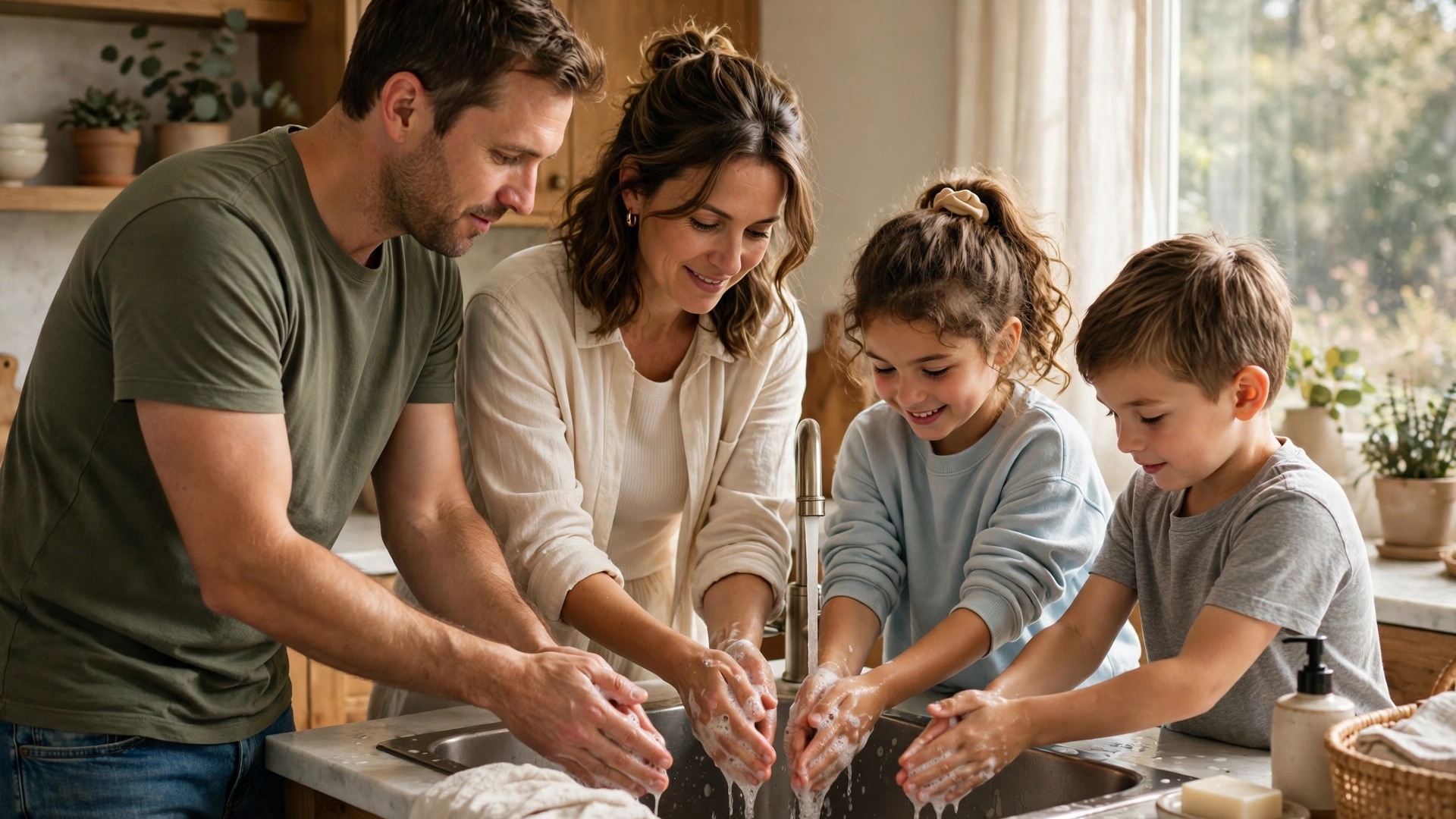
Wash your hands often, and carry hand sanitiser for airports, rest stops, and public transport.
Avoid close contact with anyone coughing or unwell, and keep your distance in crowded waiting areas.
Consider wearing a mask in crowded indoor spaces such as airport terminals, particularly if you are unvaccinated or at higher risk.
Keep sick family members at home — anyone with a fever, cough, and rash should skip gatherings and seek medical advice.
Ventilate your gathering space — open windows or doors, since fresh air disperses airborne germs.
What Should You Do If You Think You Have Been Exposed?
If you have been in close contact with someone who has measles, or you develop a fever, cough, and rash after travelling, do not simply turn up at a clinic — call ahead first. Health facilities need to prepare so the virus does not reach other patients in the waiting room.
Tell the doctor or nurse about your symptoms, where you have travelled, and whether you may have been exposed. They can advise on testing, isolation, and care. If you are unvaccinated and have been exposed, a vaccine given quickly afterwards can sometimes still help — but only if you act fast.
The outbreak is also a reminder that stress and poor sleep can weaken your body's defences — and a holiday week is exactly when rest and routine fall apart. Looking after your sleep helps your immune system do its job.
Final Thoughts
Nine deaths and 46 affected counties make this one of the most serious measles outbreaks in recent years, arriving at the worst possible moment. But measles is preventable: the MMR vaccine works, is widely available, and has protected generations.
This Thanksgiving, the best gift you can give your family is a little preparation: check your vaccination status, wash your hands, stay home if ill, and watch for symptoms after you travel. A few minutes of care can keep the holiday focused on what it should be — family, gratitude, and being together safely.
Disclaimer: This article is for informational purposes only and does not constitute medical advice. Guidance can vary by age, health condition, and local recommendations. If you have symptoms, have been exposed, or are unsure about your vaccination status, contact your doctor, pharmacist, or local health department.