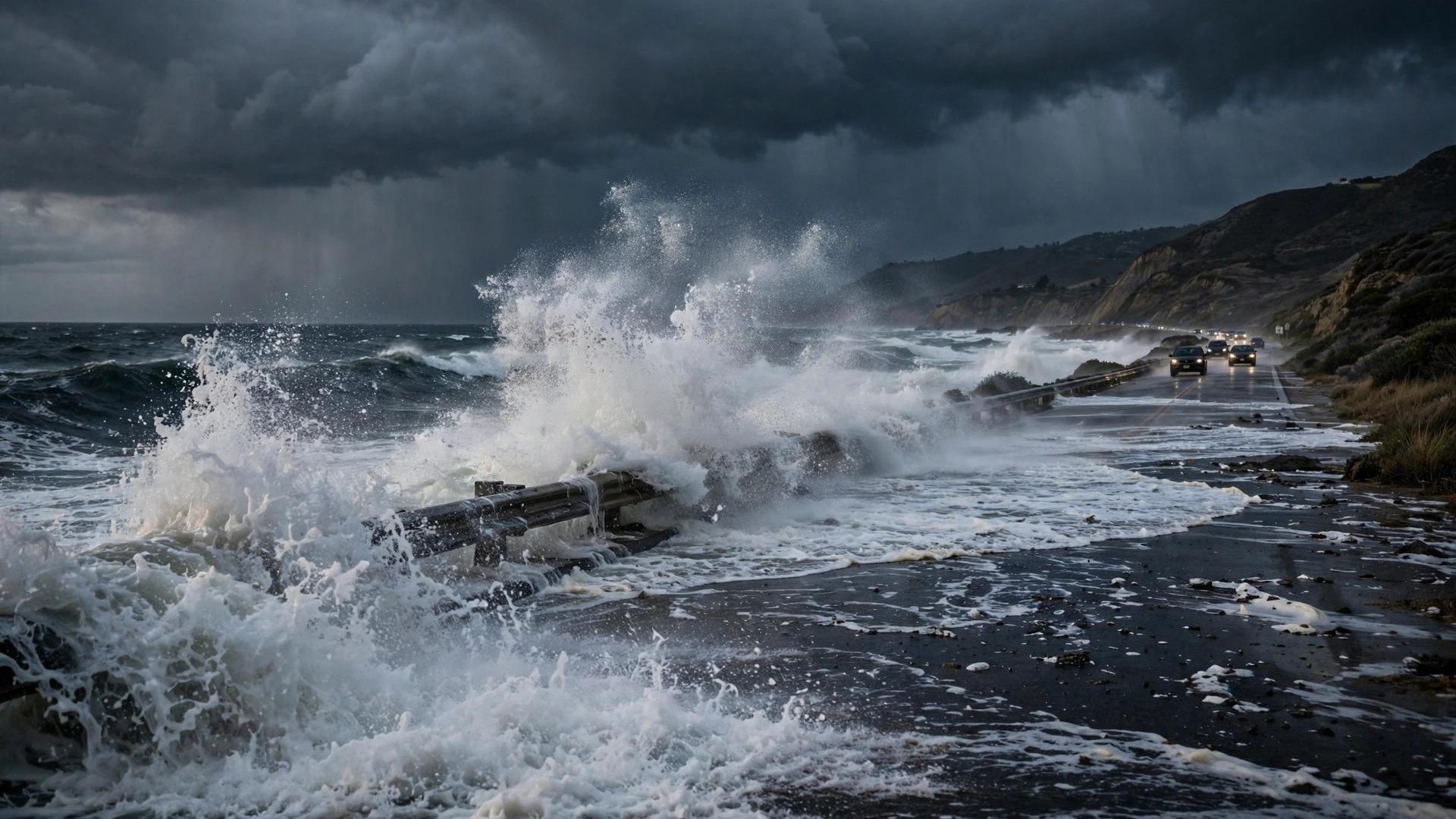
Thanksgiving week is the busiest travel period of the year, and this year the journey comes with an extra hazard on the West Coast. Record-breaking king tides are sending seawater over beaches, promenades, and low-lying coastal roads, w
hile the National Weather Service has issued successive coastal flood advisories running from 23 to 26 November.
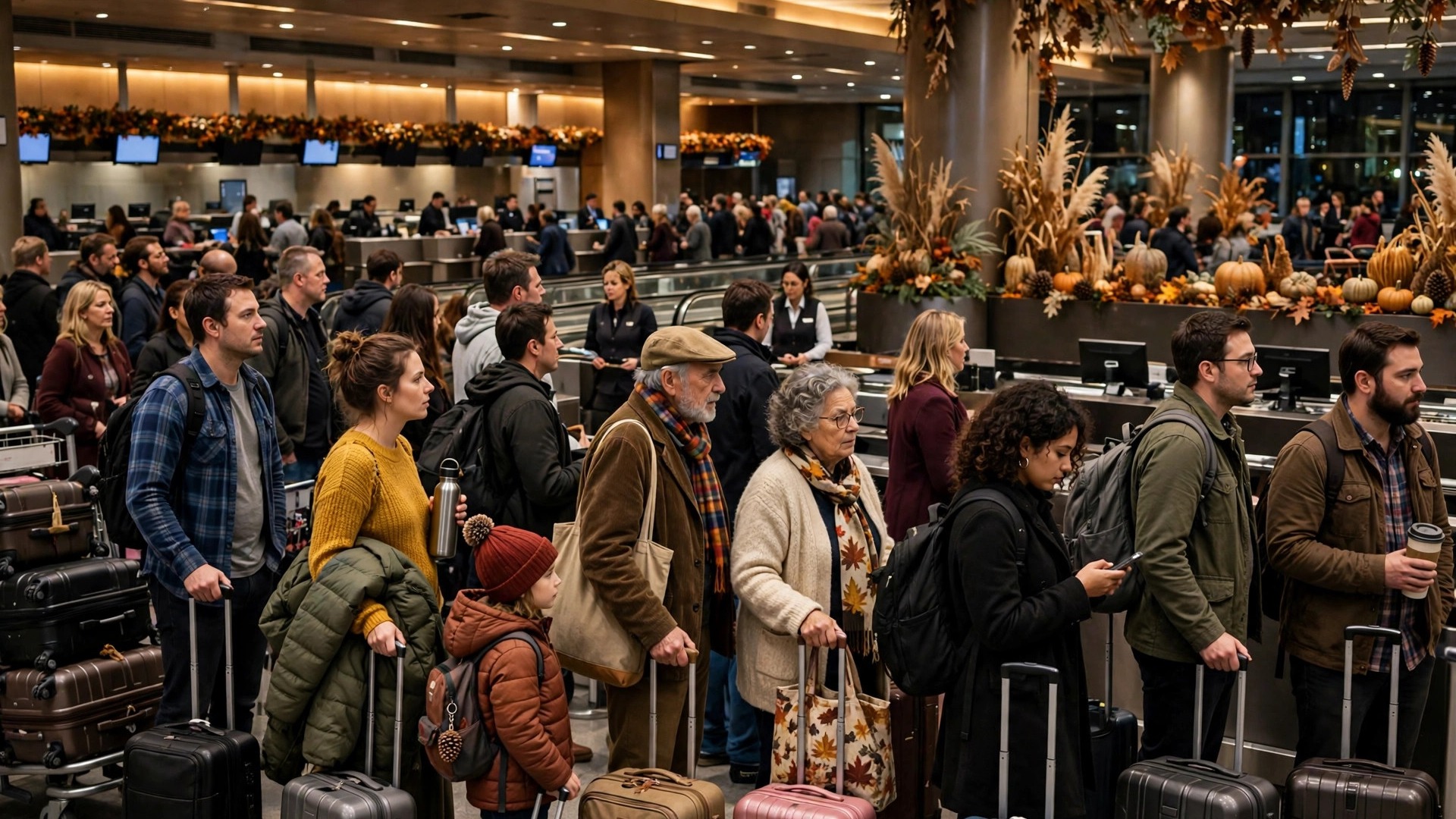
With AAA forecasting 81.5 million Americans travelling this week, and around 6 million of them flying, the timing is far from ideal. Flooded roads, closed beach car parks, and delays at coastal airports are all on the cards. If your plans take you near the Pacific, here is what you need to know.
What Are King Tides — and Why Are They So Dangerous?
King tides are the highest tides of the year. They happen when the Sun, Moon, and Earth line up in a way that pulls the ocean's water further up the shore than usual — typically a few times a year, often in late autumn and winter. The name sounds dramatic, but king tides themselves are a natural and predictable part of the tidal cycle.
The problem comes when that extra-high water meets a storm, heavy rain, or strong onshore winds. Then the sea can push well beyond its normal limits, flooding roads, car parks, and low-lying neighbourhoods. Waves can crash over sea walls, and the water can arrive fast, turning a familiar coastal road into a hazard in minutes. This week, that is exactly what is happening along the West Coast.
Which Coastal Areas Are Affected?
The National Weather Service has issued a run of coastal flood advisories along the US West Coast for 23 to 26 November, warning of minor to moderate flooding in low-lying coastal areas. Beaches, harbours, and waterfront roads are most exposed, and some of the most popular coastal routes in California and the Pacific Northwest are among the areas at risk.
Flooded roads are the biggest danger for drivers: even a few inches of standing water can stall a car, and deeper water can sweep a vehicle away. Beach car parks and waterfront streets can flood quickly at high tide. Travellers planning coastal drives or stays in waterfront hotels should check local advisories before setting out — and be ready to change their route.
How Should Travellers Prepare for Coastal Flooding?
If you are travelling along the West Coast this week, a little planning goes a long way:
Check the advisories before you leave — the latest National Weather Service coastal flood advisories for your route and destination, and local road closures.
Allow extra time — flooded roads and diversions can add hours to a coastal journey.
Never drive through flooded roads. It is impossible to tell how deep the water is from inside a car, and just a foot of fast-moving water can float a vehicle. Turn around and find another route.
Keep away from the water's edge at high tide. Waves can surge over sea walls and rocks without warning, and wet, slippery surfaces make falls more likely.
Protect your vehicle: park on higher ground rather than in a low-lying beach car park, and move your car before high tide if unsure.
Have a backup plan — know an inland route in case the coastal road is closed.
These are simple precautions, but every year people are caught out by floodwater they thought they could drive through. Do not be one of them.
Is Disruption Already Happening?
Yes — and not just on the roads. Air travel is already feeling the strain of Thanksgiving week. On Sunday, Delta Air Lines saw around 2,000 flights delayed after a system failure, a reminder that even before the worst of the holiday rush, disruption is already in the system. With millions more passengers set to fly in the coming days, travellers should expect further delays and plan accordingly.
The East Coast has its own problems this week, with a storm bringing 60 mph gusts, flooding rain, and delays from Florida to Maine . Between the king tides in the west and the storm in the east, there is barely a corner of the country untouched by Thanksgiving travel trouble this year.
What Should You Do If Your Flight Is Delayed or Cancelled?
With 2,000 Delta flights delayed on Sunday after a system failure , passengers should go into the week prepared: check your flight status before leaving for the airport, sign up for airline alerts, and arrive early — airports are at their busiest and security queues will be longer than usual.
Keep essentials in your hand luggage — medication, chargers, snacks, and a change of clothes — in case your checked bag is delayed. If your flight is cancelled, airlines will usually rebook you for free, but during a holiday rush the next seat may be a day away, so a flexible plan or travel insurance helps. And stay calm and polite — staff are dealing with thousands of stressed passengers.
Final Thoughts
King tides are a natural event, but this week's record-breaking tides, combined with coastal flood advisories running through 26 November, make them a genuine hazard for the millions of Americans travelling for Thanksgiving. Add in the storm battering the East Coast and the flight delays already hitting airlines, and this is shaping up to be one of the trickiest Thanksgiving travel weeks in years.
The good news is that most of the risk is manageable. Check the advisories, allow extra time, never drive through floodwater, and keep your flight plans flexible. Thanksgiving is about getting home to the people you love — and a little caution on the way there is a small price to pay for arriving safely.