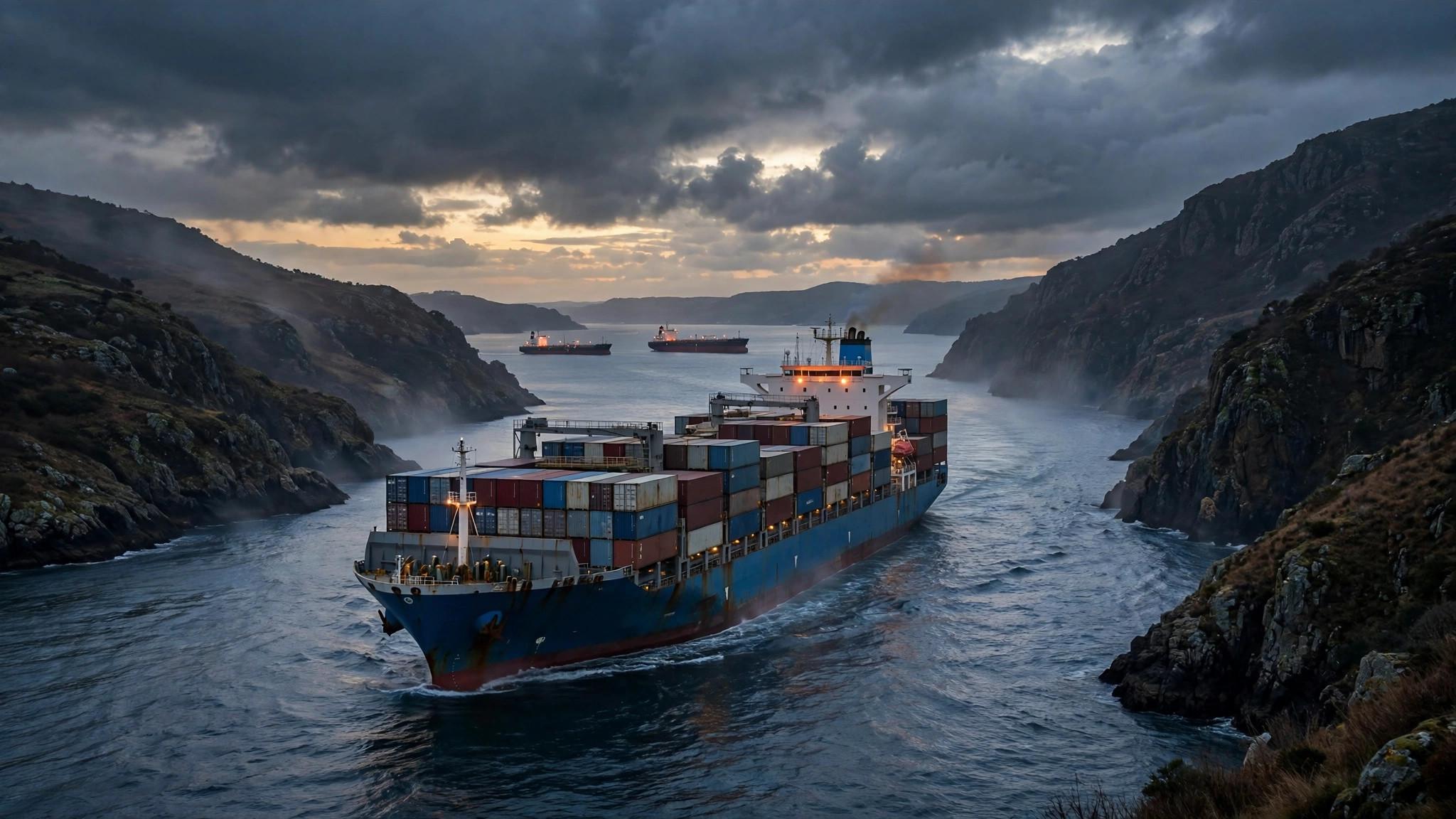

The standoff in the Gulf took its sharpest turn yet this week. The United States military said on Friday it disabled a commercial ship that attempted to run its naval blockade of Iran, firing precision munitions at the vessel in the Gulf of Oman. Within hours, an adviser to Iran's supreme leader answered with defiance: Tehran will keep the Strait of Hormuz shut — and vowed to break the American embargo.
It is the most visible enforcement action of a blockade that has now shut the world's most important oil waterway for months, and it comes at the end of a week of widening attacks across the region. Oil traders, shipping companies and governments are watching the Gulf with growing alarm, because the Strait of Hormuz carries a large share of the world's seaborne oil — and every new incident raises the price of moving it.
What Happened to the Pacific Archer?
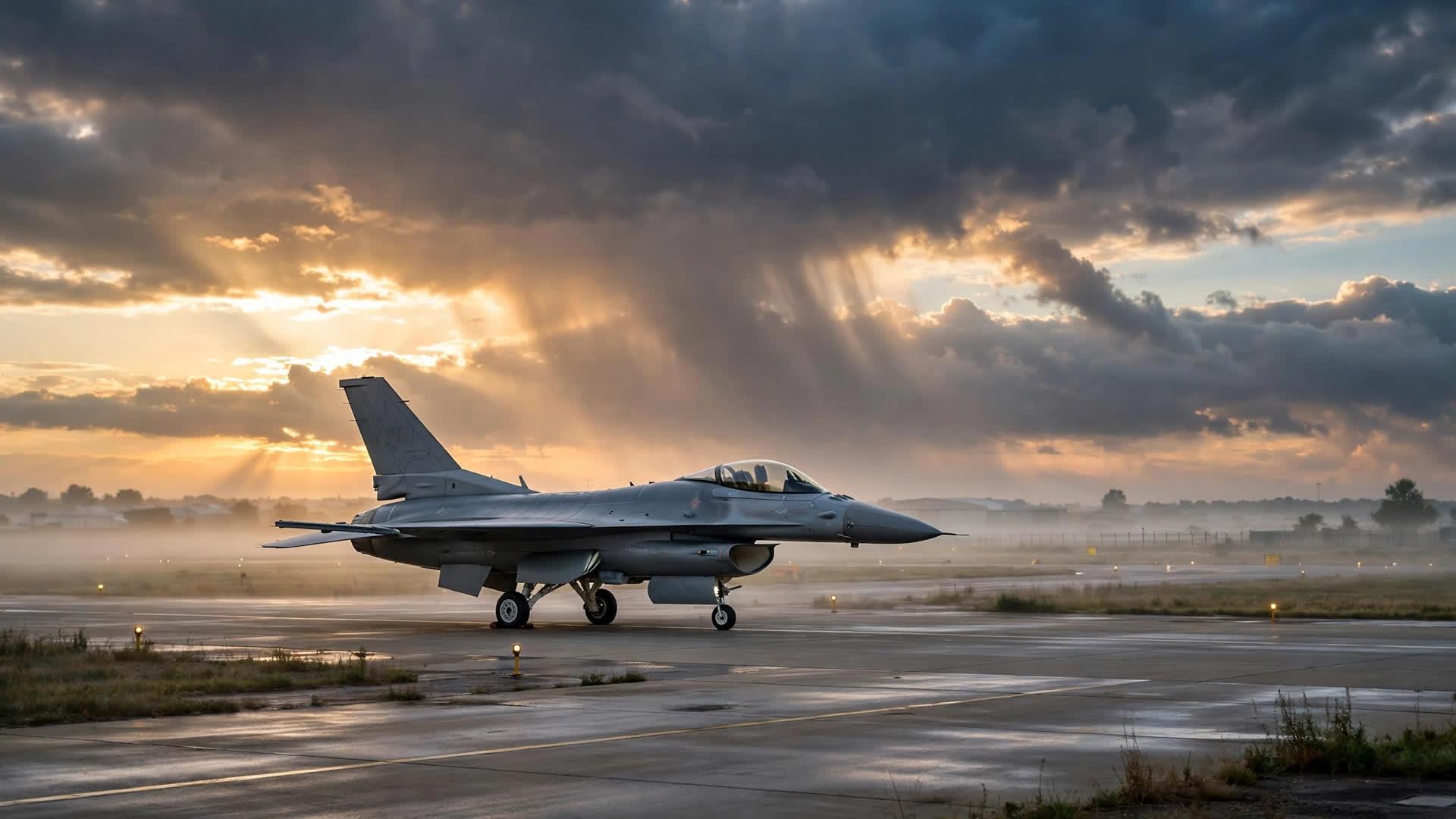
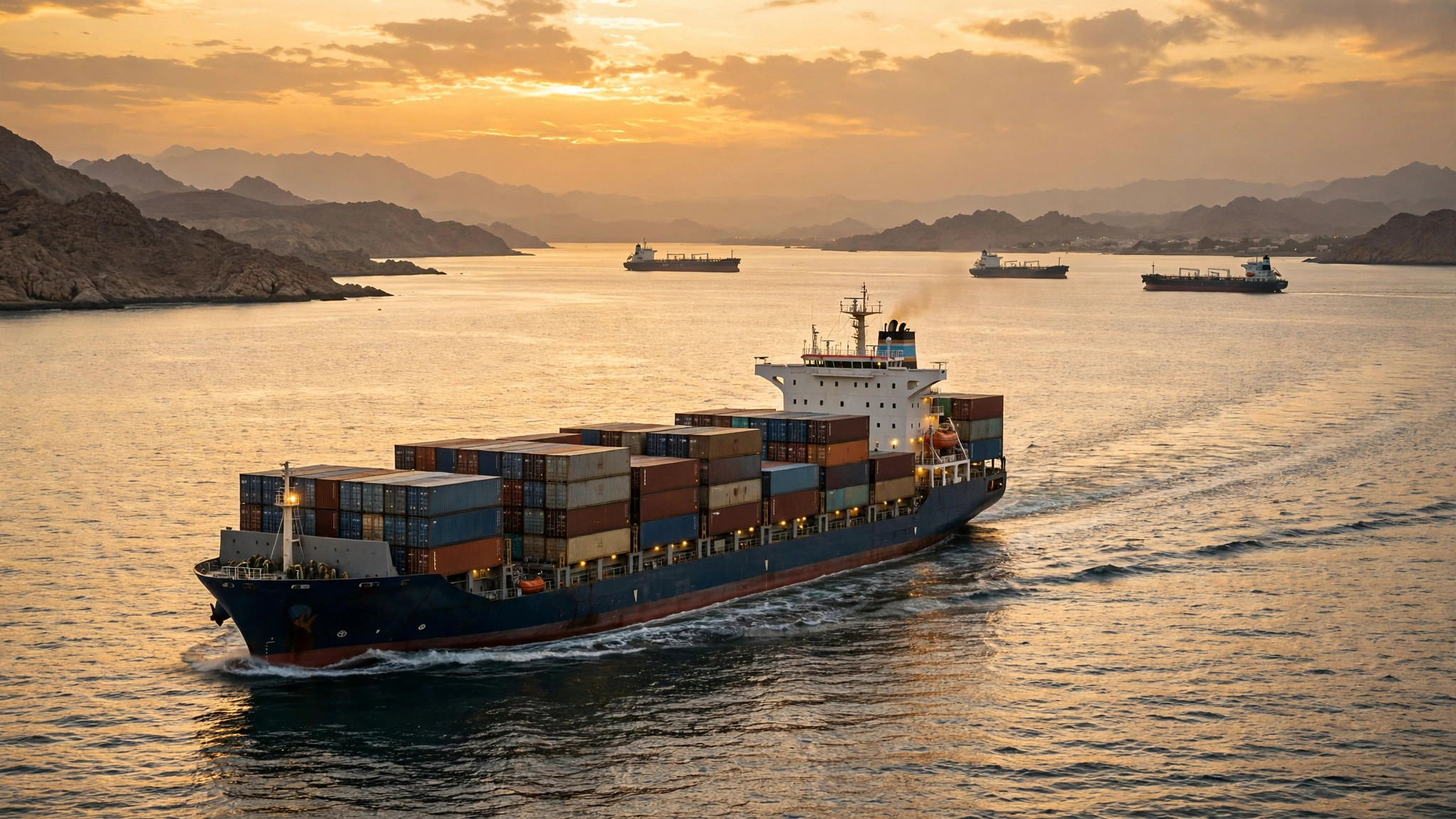
According to US Central Command (CENTCOM), the Palau-flagged bulk carrier M/V Pacific Archer departed the Iranian port city of Bandar Abbas on Thursday and attempted to run the US naval blockade, despite multiple warnings from American forces. A US military aircraft then launched precision munitions that struck the ship's stern. Its propulsion was disabled, and the civilian crew was unharmed.
CENTCOM released video of the strike and said American forces "continue to strictly enforce the blockade". The command said 158 commercial vessels have been redirected after complying with instructions, while six vessels have now been disabled for refusing to comply. The Pacific Archer is the latest of those six.
The blockade itself is not new. Washington reimposed its naval blockade of Iranian ports in July, after the collapse of an agreement with Tehran, and earlier this month announced Task Force Iron Gate to restrict the movement of weapons and sanctioned materials across Iran's land borders and the Caspian Sea as well. As of 21 November, CENTCOM said the blockade had completed 130 consecutive days.
Why Is Tehran Vowing to Break the Embargo?
Iran's response came within hours, and it was unambiguous. Mohammad Mokhber, an adviser to Supreme Leader Ayatollah Mojtaba Khamenei, vowed on Friday to break the embargo, according to Iranian state media. "Neither will the Strait of Hormuz be reopened, nor will we allow the blockade to remain in place," he said, though he gave no details of how Iran plans to break it.
Iran's foreign ministry spokesman had already said on Monday that Tehran would not tolerate the blockade and would "use all our tools to confront this US aggression". A Revolutionary Guard commander went further, threatening action in the air and at sea, and saying that breaking through the blockade was already under way.
The question now is whether a seventh tries to run it — and what happens if it does.
How Did We Get Here?
The war broke out in February, after the United States and Israel launched strikes on Iran. Tehran responded by imposing its own blockade on the Strait of Hormuz, the narrow channel between Iran and Oman through which a large share of the world's oil passes. Washington answered with its blockade of Iranian ports, and the two blockades have been tightening around each other ever since.
This week has seen the confrontation spread. Just days ago, two tankers crossing the Strait of Hormuz struck mines and caught fire, pushing Brent crude toward $97 a barrel. On Thursday, a drone attack on a military site in Kuwait killed two Italian technicians, an attack Italy blamed on drones of Iranian origin. Houthi forces have hit a Saudi Aramco refinery, and Russia has fired ballistic missiles and drones at Ukraine overnight, adding to a sense that conflicts are feeding into each other.
For ordinary people, the connection to the Gulf is direct: oil prices feed into petrol prices, heating costs and inflation. Brent crude, which neared $97 after the tanker mine strikes, was trading around $90.84 in the latest snapshot, with WTI at $83.08 — volatile, and sensitive to every new headline from the Gulf.
What Happens Next?
Three things will decide how dangerous this gets:
Whether another ship tests the blockade. Each attempt forces the US to choose between letting it pass — which would weaken the blockade — and firing again, which raises the stakes.
Whether Iran acts on its vow. Tehran has threatened action in the air and at sea, but has not said what form breaking the embargo would take. A direct clash between Iranian and American forces would be a major escalation.
What happens at the Shenzhen summit. Russia is demanding a NATO military pullback ahead of a trilateral summit between Donald Trump, Xi Jinping and Vladimir Putin, and Bulgaria has halted aid to Ukraine ahead of the meeting. Diplomacy at the highest level may be the only route to easing several crises at once.
For now, the Gulf remains the world's most watched stretch of water. The blockade has held for 130 days. The Pacific Archer tested it, and was stopped. Tehran says the next test is already under way.
Final Thoughts
The disabling of the Pacific Archer is a small incident with large implications. Six ships disabled and 158 redirected tells its own story: the blockade is being enforced, and it is being challenged. Tehran's vow that the Strait of Hormuz will stay shut while the embargo is broken sets up a confrontation that neither side appears willing to back away from. For oil markets, for shipping and for families watching fuel prices, the Gulf is now the story that matters most — and it is far from over.
Disclaimer: This article is for informational purposes only. The situation described is developing, and details may change as official statements are released.