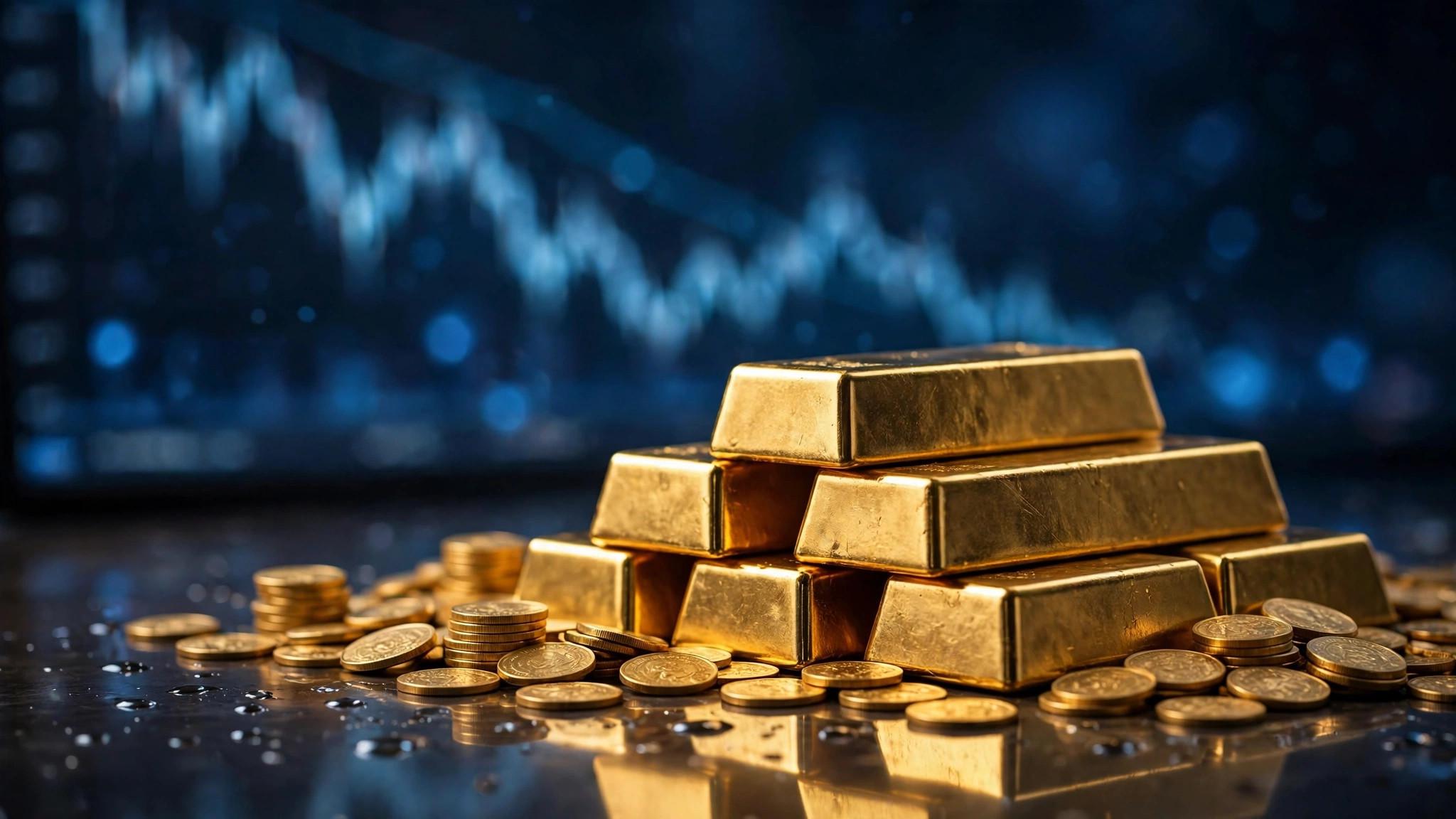
Gold fell sharply on Tuesday, 24 November, as a surprisingly strong reading on the American consumer gave traders a fresh reason to bet that interest rates will stay higher for longer. Spot gold dropped about 2.25% to around $3,552 to $3,558 an ounce. Silver fell even harder, sliding 5.22% to about $40.91 an ounce, as the precious metals complex came under pressure.
The selling continued into early Asian trading on Wednesday, with gold hovering around $3,547 to $3,549 an ounce. The move is a reminder of how sensitive gold has become to the rate debate: when the market thinks the Federal Reserve will keep rates high, gold — which pays no interest — loses some of its shine.
Why Did Gold Fall on Tuesday?
The trigger was a single number: US consumer confidence jumped to 103.3 in November, far above the 92.2 economists had expected and the highest since January 2025. October's figure was revised to 91.9. A confident consumer spends more, and more spending can keep inflation sticky, which makes it harder for the Fed to cut rates.
Minutes from the Fed's October meeting had already shown that almost all officials judged further rate increases likely to be appropriate. Tuesday's confidence number gave that hawkish view fresh support: the dollar firmed, bond yields rose, and gold fell. Silver, more volatile than gold and more exposed to industrial demand, fell further still.
How Far Has Gold Fallen From Its High?
The metal's 52-week high stands at $5,602, reached on 28 January 2026. At around $3,552, gold is now trading far below that peak, after a year battered by the same rate-hike fears that have hit stocks and bonds.
Just last week, gold plunged in its worst week in eight months, falling 9.4% to $3,515. It then rebounded back above $3,600, helped by Monday's broad market rally, only for Tuesday's confidence data to knock it back down again. The rebound above $3,600 earlier in the week shows buyers are still willing to step in, but Tuesday's drop shows they are not yet willing to chase the price higher.
Is the Safe Haven Broken?
That is the question gold investors keep asking, and Tuesday's fall does not settle it. Gold's reputation as a safe haven rests on its performance in times of fear — and fear has hardly been in short supply this year. Yet gold has fallen alongside stocks on several of the worst days, which is not how a safe haven is supposed to behave.
There are two ways to read that. The first is that gold's safe-haven role is weakening, because rising real interest rates make holding a non-yielding asset more expensive. The second is that gold is simply having a volatile year in a volatile market, and that its long-run role as a store of value has not changed — it is just being repriced as the rate outlook shifts.
The plunge of 9.4% in gold's worst week in eight months raised the same question. If the Fed turns dovish, gold's appeal returns quickly; if it keeps tightening, the pressure stays on.
What Does the Dow's 50,000 Milestone Mean for Gold?
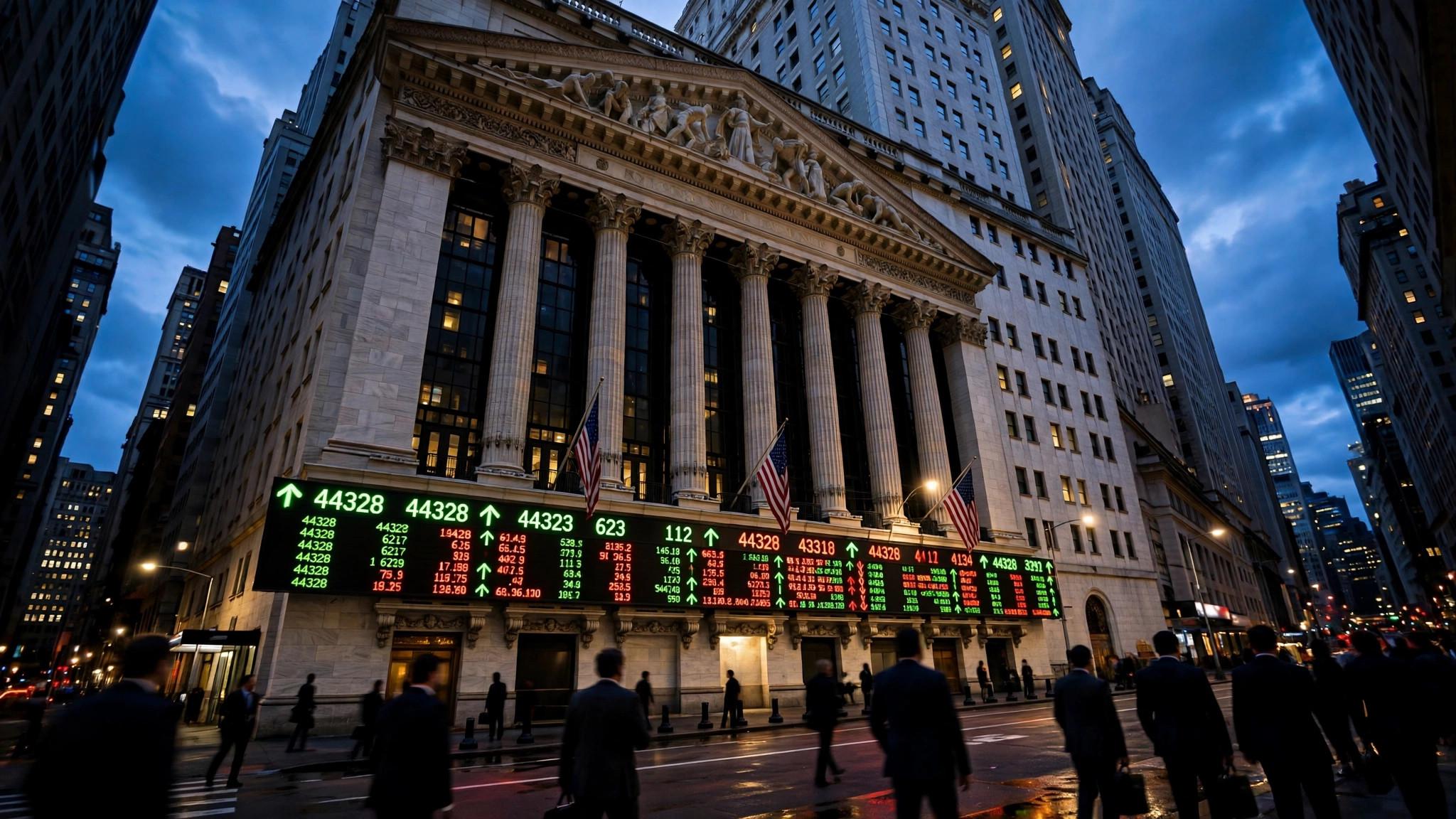
Gold's fall came on a day when the Dow climbed back above 50,000, rising 0.85% to 50,018.70. When stocks are rising and consumers feel confident, money tends to flow out of defensive assets and into risk. Gold's drop and the Dow's rise are two sides of the same trade: a market betting, for now, on growth rather than safety.
But the same day showed the limits of that optimism: the Nasdaq fell 1.48% and the S&P 500 slipped 0.50%. The Dow's reclaiming of 50,000, even as the Nasdaq fell tells the same story as gold's fall — a market rotating, not united.
What Should Gold Investors Watch Next?
The biggest test arrives on Wednesday, 25 November, at 8:30am ET: October's PCE inflation report, the Federal Reserve's preferred measure of price pressures, plus the second estimate of third-quarter GDP. The data will go a long way to deciding whether the rate-hike bets that sank gold on Tuesday are justified.
Gold and silver investors should watch:
The PCE inflation reading — a cooler number could ease rate-hike fears; a hot one could push gold lower still.
The dollar and bond yields — gold usually moves in the opposite direction to both.
Whether $3,500 holds — close to last week's low of $3,515, a break below it could trigger more selling.
Silver's follow-through — its 5.22% drop was much sharper than gold's, and continued underperformance may signal weakening industrial demand.
Central bank buying — long-term support has come from central banks diversifying reserves, and any sign of that continuing would cushion the downside.
Final Thoughts
Tuesday was a bad day for precious metals: a strong consumer confidence number made higher interest rates look more likely, and higher rates are gold's enemy. The 2.25% fall to around $3,552, and silver's sharper 5.22% slide to $40.91, wiped out much of the week's earlier recovery and left gold far below its $5,602 high from January.
But the story is not over. Gold has bounced back from sharp falls before this year, and the next chapter will be written on Wednesday, when the PCE inflation report lands. If inflation comes in cool, the rate-hike bets will fade and gold could recover quickly; if it comes in hot, the pressure will build.
Disclaimer: This article is for informational purposes only and does not constitute financial advice. Investing in gold, silver and other precious metals involves risk, including the possible loss of principal. Past performance is not a guarantee of future results. Readers should do their own research or consult a licensed financial adviser before making investment decisions.