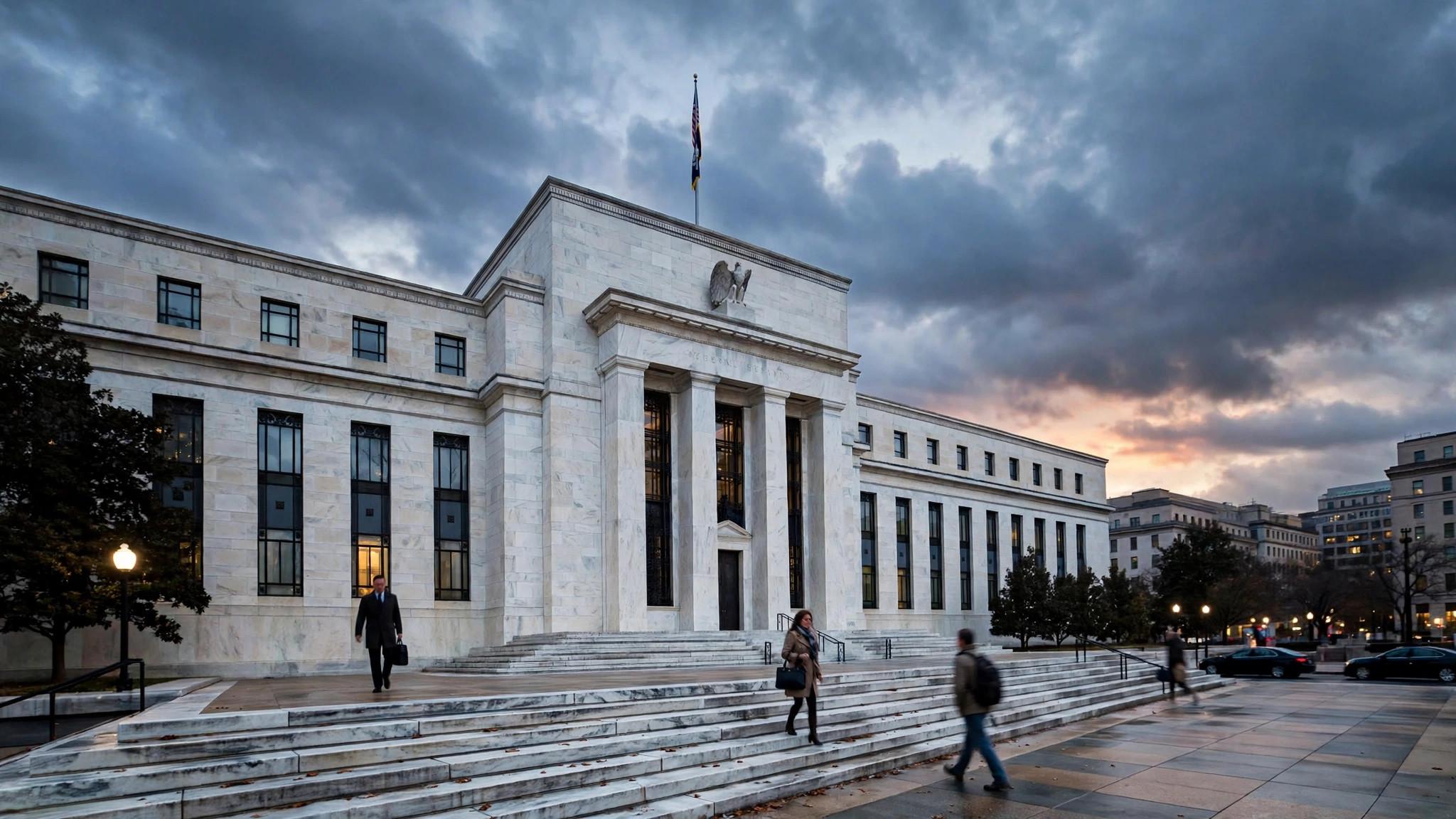

Two warnings landed this week, and together they paint a difficult picture for American households. Minutes of the Federal Reserve's 27–28 October meeting show almost all officials judged further rate increases likely appropriate. And accountants KPMG warn another round of US tariffs is looming, with investigations covering 16 economies and recommendations due by year-end.
In plain language: borrowing could get more expensive and imported goods pricier at the same time — a squeeze on household budgets from both sides, just as the economy is digesting a brutal stock market sell-off.
What Did the Fed Minutes Actually Say?
The minutes are the clearest signal yet that the central bank is leaning toward tighter, not looser, policy. Almost all officials judged further rate increases would likely be appropriate — a striking consensus when many on Wall Street had hoped the worst of the rises was over.
The reason is inflation. Core CPI — consumer prices excluding volatile food and energy costs — is running at 3.4% year on year, still well above the Fed's 2% target. Underlying price pressures have not been beaten yet, and for the Fed the risk of stopping too early is that inflation becomes entrenched, forcing harsher action later.
The next big data point comes on Wednesday, 25 November, when the October PCE inflation report — the Fed's preferred measure — is due. If it confirms that inflation is proving sticky, the case for another hike will strengthen further.
What Is KPMG Warning About Tariffs?
While the Fed worries about inflation, KPMG warns about the policies that could add to it: another round of US tariffs is looming, with Section 301 investigations — the legal mechanism for imposing tariffs over alleged unfair trade practices — now covering 16 economies. Recommendations are due by year-end, so new tariff announcements could arrive within weeks.
The timeline is already filling in. New tariffs on AI infrastructure start on 4 December, and China's tariff truce — the temporary pause in the trade standoff between the world's two largest economies — ends on 10 January. If it lapses without a deal, tariffs on Chinese goods could rise again, pushing up the cost of everything from electronics to clothing.
Tariffs are, in effect, a tax on imports. When the US imposes them, American businesses pay more for the goods they bring in — and much of that cost eventually finds its way to consumers in the form of higher prices.
What Does It Mean for Your Mortgage?
Higher rates feed directly into borrowing costs, and mortgages are where most families feel it first. When the Fed raises rates, new home loan rates tend to follow, because lenders price mortgages off the same bond markets the Fed influences.
For homebuyers, that means higher monthly payments for the same house — or a smaller home for the same budget. For homeowners on variable-rate mortgages, payments can creep upward with each rise. For the housing market as a whole, higher rates usually mean fewer buyers, slower sales and more pressure on prices.
The backdrop makes it worse. The stock market has just suffered a brutal week — Wall Street lost around $7 trillion in value as the S&P 500 sank 3.7% — which has already dented household wealth and confidence. Higher mortgage rates on top of that would be a second blow to the housing market.
What About Credit Cards and Everyday Prices?
Credit card debt is where higher rates bite fastest, because card interest rates move quickly when the Fed acts. Anyone carrying a balance from month to month will see interest charges rise, making the debt harder to clear.
There is, however, one countervailing development. President Trump has vowed to work with Democrats to cap credit card interest at 10% — a proposal that, if it became law, would dramatically cut the cost of carrying a balance for millions of Americans. The proposal and what it would mean for your wallet are explained in detail here . For now, though, it is a promise, not a law — and until it is, cardholders remain exposed to rising rates.
Everyday prices are the other pressure point. If new tariffs push up import costs while higher rates slow the economy, households could face the worst of both worlds: paying more while finding it harder to earn and borrow. That is why the Fed's stance and KPMG's warning matter so much.
What Could It Mean for Jobs?
Higher rates are designed to cool the economy, and a cooler economy usually means slower hiring. When borrowing is expensive, businesses invest less, expand more cautiously and hire more slowly — and in the worst case, that can tip into job losses.
Tariffs add a second risk. Companies relying on imported parts face higher costs, squeezing profits and leading to cutbacks, while exporters can suffer if other countries retaliate with tariffs of their own. Tighter money plus rising trade barriers is exactly the mix economists worry can turn a slowdown into something worse.
None of this is certain — the Fed could still pause, the tariff probes could produce modest recommendations, and the China truce could be extended. But the direction of travel in both the minutes and the KPMG warning is the same: pressure is building, not easing.
Final Thoughts
The Fed's minutes and KPMG's tariff warning tell the same story from two angles: the era of easy money and cheap imports is not returning soon. Almost all Fed officials expect more rate hikes, inflation is still 3.4%, and a new wave of tariffs is forming. For households, the advice is familiar but worth repeating: keep credit card balances low, think carefully before taking on new debt, and watch Wednesday's PCE report — it may show whether the squeeze is about to get tighter.
Disclaimer: This article is for informational purposes only and does not constitute financial advice. Interest rates, tariffs and market conditions can change rapidly. Readers should do their own research or consult a licensed financial adviser before making financial decisions.